Modern Advances in Recycling Technologies
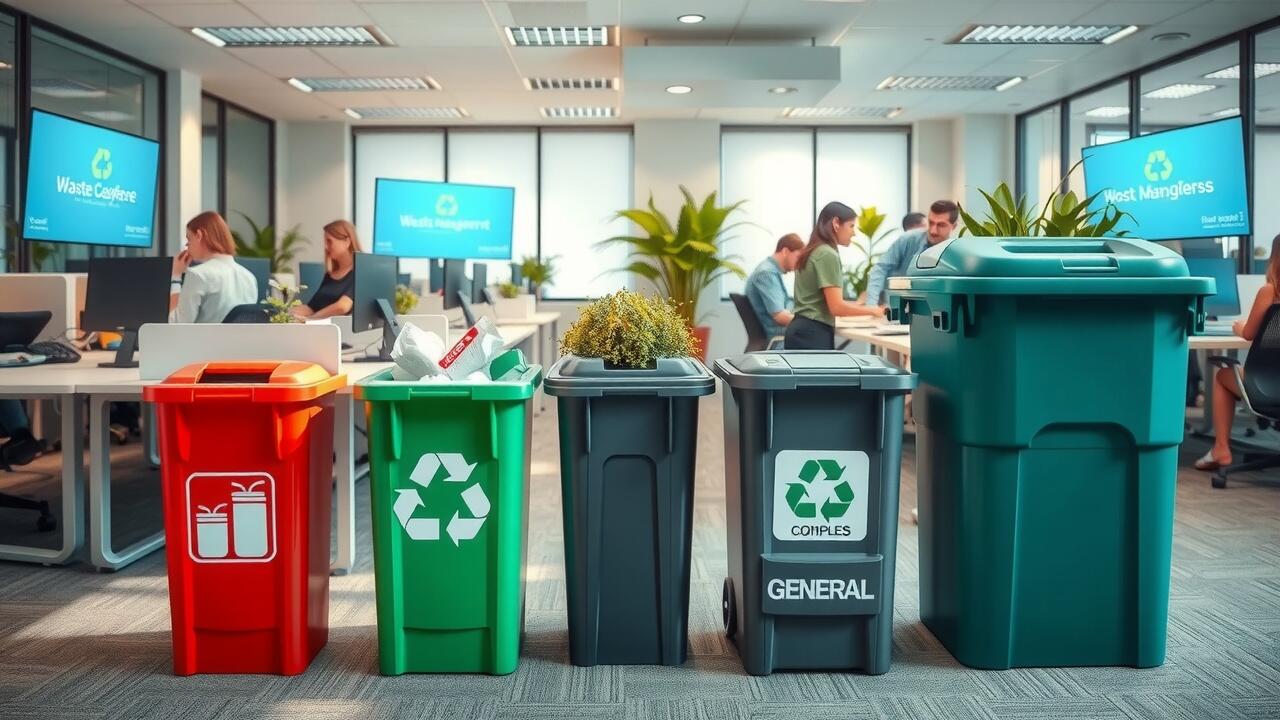
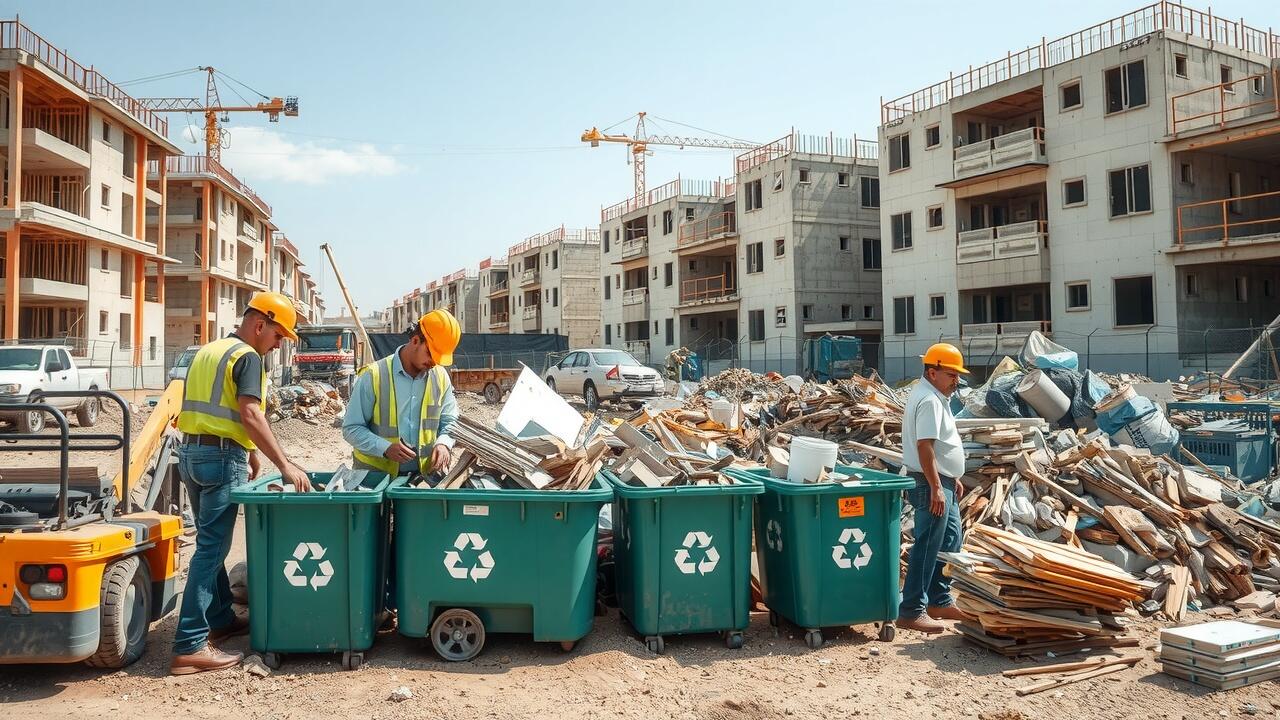
Recent breakthroughs in recycling technologies have significantly transformed the construction industry. Innovations such as advanced sorting systems and automated processes improve efficiency in material recovery. New machinery can now effectively separate mixed materials at job sites, allowing for higher rates of recycling. These advancements not only reduce landfill waste but also contribute to conserving natural resources.
Additionally, the emergence of specialized recycling facilities enhances the capacity for processing construction waste. These facilities utilize state-of-the-art techniques to reclaim valuable materials like metals, plastics, and concrete. The implementation of data-driven approaches in logistics and waste management further streamlines the recycling process. This evolution in technology emphasizes sustainability and promotes a circular economy within the construction sector.
Innovations in Material Recovery
Recent advancements in material recovery have transformed how construction waste is processed and reused. Technologies such as advanced sorting systems and robotics play a critical role in enhancing efficiency during the recycling phase. Automated equipment can identify various materials, separating metals, plastics, and wood with high precision. This capability not only increases recovery rates but also ensures that more materials are diverted from landfills, contributing to a circular economy in the construction industry.
Additionally, innovative methods such as chemical recycling are gaining traction. This process allows for the breakdown of certain materials, such as plastics, into their basic components, which can then be repurposed to create new products. Companies implementing these technologies are not only reducing waste but also minimizing the need for virgin resources. As these innovations continue to evolve, they promise to redefine traditional perceptions of construction waste management, promoting sustainability at every stage of the building process.
Current Best Practices in Construction Waste Management
Effective waste management on construction sites involves implementing a variety of strategies that minimize the environmental impact of projects. One key practice is thorough waste sorting at the source, which allows recyclables and reusable materials to be separated from general waste right from the start. Additionally, establishing designated recycling areas on site simplifies the process and promotes participation among workers. Regular training and awareness programs help ensure that all personnel understand the importance of waste reduction and proper disposal methods.
Another important aspect is the adoption of digital tools for tracking waste generation and disposal. By using software solutions, companies can analyze data to identify patterns in their waste production and implement targeted improvements. Material inventory management plays a critical role in reducing excess and wasted materials, thus fostering a culture of sustainability. Collaborating with local recycling facilities also enhances the efficiency of waste processing and recovery, ensuring that materials are diverted from landfills effectively.
Strategies for Reducing Job Site Waste
Job site waste reduction begins with careful planning and design from the outset of a project. Utilizing digital modeling tools helps to optimize material usage and minimize excess. This approach allows for precise quantity estimates, which reduces over-ordering, a common contributor to waste. Additionally, reusing materials from previous projects can significantly cut down on new material requirements. Implementing on-site material storage systems also aids in reducing damage and loss, which can lead to unnecessary waste.
Training workers on waste management strategies is essential to cultivating a culture of sustainability at the job site. Employees should be knowledgeable about proper sorting of recyclables and reusable materials, ensuring that valuable resources are not discarded. Establishing clear waste reduction goals encourages the workforce to actively participate in minimizing waste. Regular assessments of waste generation patterns can inform future strategies and foster continuous improvement in waste management practices.
The Role of Green Building Certifications
Green building certifications have emerged as a crucial component in promoting sustainable construction practices. These certifications establish guidelines that encourage the use of eco-friendly materials and efficient waste management processes. By adhering to these standards, construction projects can significantly reduce their environmental impact. The pursuit of certifications like LEED, ENERGY STAR, and others motivates builders to prioritize waste reduction, recycling, and the selection of sustainable materials throughout the project lifecycle.
The integration of green building certifications into construction processes also enhances the value proposition for developers and builders. Projects that achieve these certifications often benefit from increased marketability and can attract environmentally-conscious clients. Additionally, financial incentives such as tax credits or grants become accessible to certified projects, further supporting sustainable practices. The commitment to green building principles fosters a culture of accountability and innovation within the industry, promoting a forward-thinking approach to managing construction waste.
LEED and Sustainable Waste Management
The Leadership in Energy and Environmental Design (LEED) certification has become a prominent standard for promoting sustainable construction practices. Waste management forms a crucial component of LEED’s framework, as projects seek to divert construction and demolition debris from landfills. By emphasizing recycling and repurposing materials, LEED encourages construction teams to plan for waste reduction from the outset. This proactive approach not only aligns with sustainability goals but also fosters innovation in material management strategies throughout the building process.
Achieving LEED certification requires adherence to specific waste management criteria, which include tracking waste streams and implementing diversion strategies. Projects must document their efforts to recycle, reuse, or recover materials to satisfy these requirements. This accountability motivates contractors to explore new methods for waste reduction and enhances collaboration among stakeholders. As a result, incorporating LEED guidelines into construction planning can lead to more efficient resource use and a lesser environmental footprint, benefitting both the industry and the community.
Challenges in Managing Construction Waste Today
The construction industry faces numerous challenges in waste management, particularly due to the increasing complexity of projects and materials used. A significant issue is the difficulty in segregating different types of waste on job sites. The lack of proper sorting can lead to contamination of recyclable materials, undermining efforts to divert waste from landfills. Additionally, the fluctuating markets for recyclables can deter construction firms from committing to waste reduction practices.
Another major challenge involves the handling of hazardous and contaminated materials. Proper disposal is critical, but many construction sites lack the necessary protocols and training to manage these materials safely. Regulatory requirements can vary widely depending on location and project type, creating confusion for contractors. Failure to adhere to best practices not only poses environmental risks but can lead to substantial financial penalties and safety concerns.
Addressing Contaminated and Hazardous Materials
Construction sites often encounter various materials that can pose serious health and environmental risks. Contaminated soils, asbestos, lead-based paints, and certain types of waste like chemicals or electronic devices require specialized handling and disposal practices. Proper identification of these hazardous materials is the first step in effective management. Many jurisdictions have regulations in place that mandate tests and assessments for hazardous substances before any demolition or renovation activities can commence. Ensuring compliance with these regulations protects workers, the public, and the environment.
Once hazardous materials are identified, appropriate protocols must be implemented for safe removal and disposal. This often involves the use of trained personnel and specialized equipment to mitigate exposure risks. In some cases, materials can be recycled or treated to render them safe, while others must be disposed of in licensed facilities. Developing a comprehensive plan that includes these considerations ensures that construction projects minimize hazards associated with waste. Stakeholders need to prioritize safety and environmental integrity throughout the construction process.
FAQS
What is construction waste management?
Construction waste management involves the processes of reducing, reusing, recycling, and disposing of materials generated during construction, renovation, and demolition activities to minimize environmental impact.
Why is it important to manage construction waste?
Managing construction waste is crucial for reducing landfill usage, conserving natural resources, minimizing pollution, and promoting sustainable building practices, which ultimately contribute to environmental protection and public health.
What are some common types of construction waste?
Common types of construction waste include concrete, wood, metal, glass, insulation, and drywall. Additionally, hazardous materials like asbestos and lead may also be present and require special handling.
How have recycling technologies advanced in construction waste management?
Modern advances in recycling technologies have improved material recovery rates through techniques such as advanced sorting systems, automated processing, and innovative recycling methods that allow for higher quality reusable materials.
What challenges do the construction industry face regarding waste management today?
The construction industry faces challenges such as the presence of contaminated and hazardous materials, regulatory compliance, and the need for effective strategies to reduce job site waste while maintaining project efficiency and cost-effectiveness.