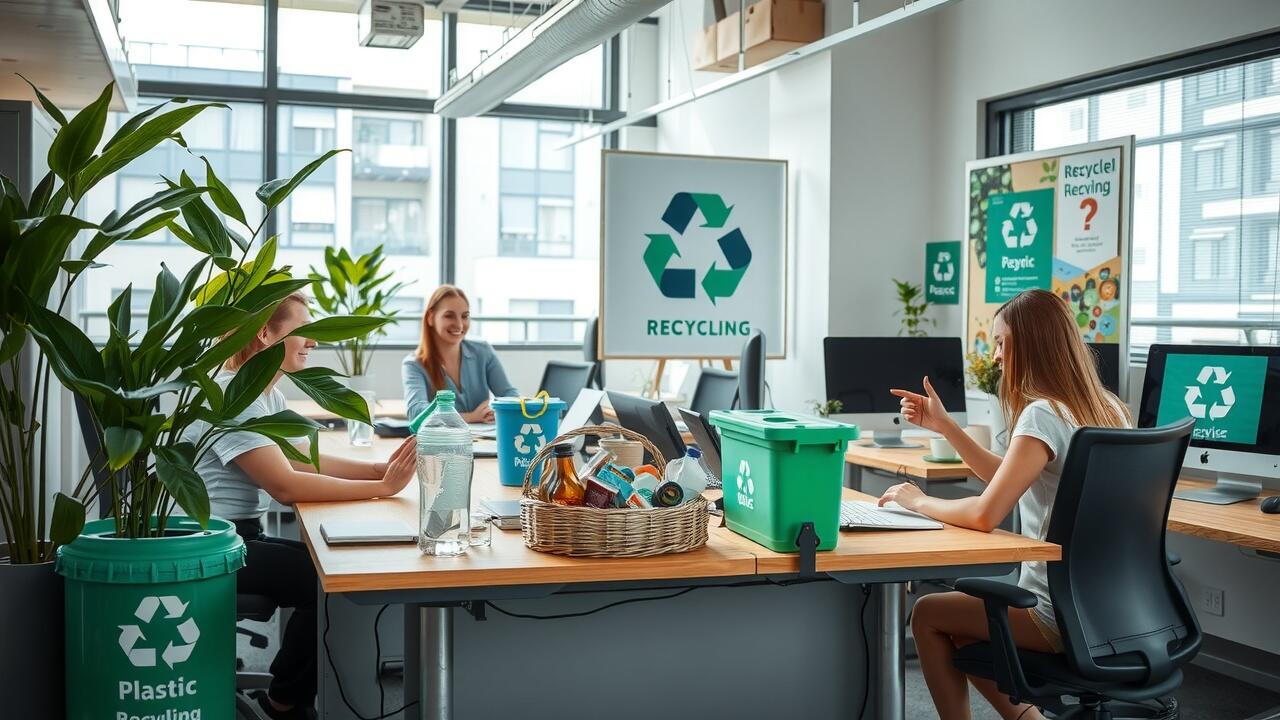
Measuring the Effectiveness of Recycling Initiatives
Assessing the true effectiveness of recycling initiatives requires robust metrics and comprehensive data collection processes that go beyond simple observation. Organizations must rigorously track key performance indicators to understand the impact of their recycling efforts. Important metrics include the total volume of materials collected for recycling, specific contamination rates within bins, and the overall participation levels among staff. Establishing baseline measurements regarding waste generation before implementing new strategies allows a business to identify tangible improvements over time and adjust their practices accordingly. Regular audits of the recycling stream can help reveal distinct trends and highlight areas needing immediate attention, ensuring that the recycling program remains efficient, cost-effective, and impactful in the long term.
Incorporating feedback from the workforce can also provide valuable insights into the ongoing effectiveness of recycling efforts. Detailed surveys or interactive focus groups can help gauge employee engagement and general awareness regarding proper recycling practices. Understanding how individuals perceive the ease of recycling enables organizations to tailor communication and educational materials, fostering a deeper culture of sustainability. By consistently measuring, analyzing, and evaluating these initiatives, companies can demonstrate their unwavering commitment to environmental responsibility while driving continuous improvement in their daily recycling and waste reduction efforts.
Tracking and Reporting Corporate Sustainability Metrics
Measuring the effectiveness of recycling efforts requires consistent tracking and clear, transparent reporting of sustainability metrics. Organizations should establish specific key performance indicators (KPIs) that accurately reflect their ambitious recycling goals. Metrics such as the weight of waste diverted, the specific volume of materials successfully recycled, diversion rates from landfills, and overall engagement levels provide critical insight into the success of these initiatives. Regular data collection on waste habits helps identify patterns and specific areas for operational improvement, enabling businesses to adapt their strategies to enhance recycling outcomes continually.
Transparency in reporting sustainability metrics fosters accountability and encourages broader employee engagement. By sharing detailed recycling results through internal communications and newsletters, leadership can highlight achievements and motivate staff to participate in the recycling program more actively. Utilizing digital dashboards or visual reports can make the complex data regarding waste management and recycling performance more accessible and understandable. Regular updates on progress can also strengthen a company’s commitment to sustainability and enhance its reputation among stakeholders who value environmental stewardship.
Case Studies of Successful Office Recycling Programs
Numerous organizations have successfully implemented recycling programs that have significantly reduced waste and enhanced broad sustainability efforts. One notable example is a tech giant that initiated a comprehensive recycling program across its campuses. By providing clearly labeled bins for different materials and conducting regular training sessions, the company managed to divert a massive amount of its waste from landfills within two years. This effort not only improved recycling rates but also fostered a culture of environmental responsibility and cost savings awareness among team members.
Another impressive case comes from a global consulting firm that focused on integrating sustainability into its core business practices. Through a combination of digital tools and engagement strategies, the firm tracked its recycling results over multiple quarters. With the help of data analytics, they identified key areas for improvement and expanded their recycling program to include composting and e-waste recycling. As a result, their overall waste production decreased significantly, demonstrating the potential for well-structured recycling programs to make a tangible impact on corporate sustainability goals.
Lessons on How to Reduce Waste
Several leading companies have demonstrated the profound impact of comprehensive recycling strategies on both environmental sustainability and corporate culture. For instance, a well-coordinated recycling program at a prominent tech firm not only improved recycling rates but also encouraged staff to actively participate in reducing waste. Engagement played a crucial role in this success, proving that the human element is just as important as the bins themselves. Training sessions and informational campaigns created awareness, turning recycling into a shared responsibility.
Another example comes from a financial services company that implemented an innovative recycling strategy by integrating technology. They utilized an app to track waste disposal and recycling habits, providing real-time feedback to users. This data-driven approach not only improved compliance with recycling protocols but also fostered a sense of accountability among teams regarding waste management. These lessons illustrate that effective recycling requires both strategic planning and active involvement to yield significant results in waste reduction.
Regulatory and Environmental Compliance Considerations
Navigating the complex landscape of regulations surrounding recycling practices and waste management is crucial for organizations committed to sustainability. Compliance with local, state, and federal mandates can significantly impact the design of the office recycling program. Each jurisdiction has its own set of rules that dictate what materials can be recycled, how they must be sorted, and how they must be processed. Staying informed about these regulations helps a business avoid potential fines while also enhancing their reputation as responsible corporate citizens.
Understanding these requirements is not just about legal adherence; it is also an opportunity to align business practices with broader sustainability goals. Businesses can engage staff in training sessions to raise awareness of local recycling policies, fostering a culture of compliance and environmental care. By doing so, organizations can not only adhere to regulations regarding waste but also inspire their workforce to participate actively in recycling efforts, thereby reinforcing a commitment to sustainable practices throughout their management operations.
Understanding Local Recycling Mandates
Local recycling mandates can vary significantly from one municipality to another, creating a challenge for multi-location companies. Understanding these regulations is crucial for organizations committed to successful recycling initiatives. Many jurisdictions have specific requirements regarding the types of materials that can be recycled, along with strict guidelines on how waste should be sorted and stored. Failure to comply with these mandates can result in fines and hinder recycling efforts, emphasizing the need for the workplace to stay informed about local laws.
In addition to compliance, familiarity with local mandates can help organizations tailor their recycling program effectively. Some cities offer incentives for a business that exceeds recycling targets, while others may provide resources like recycling bins or educational materials. Engaging with local waste management authorities can provide valuable insights into community-specific best practices. By leveraging these resources, companies can enhance their recycling strategies and contribute positively to local sustainability goals.
The Future of Office Recycling Practices
Innovations in technology are transforming the landscape of recycling practices. Smart bins equipped with AI sensors now monitor waste levels and automatically sort recyclables from trash. These advancements reduce contamination rates in the waste stream and enhance the efficiency of recycling processes. Moreover, the integration of apps allows users to report their recycling habits, creating a sense of accountability and community engagement within the office.
As sustainability becomes a priority for more companies, the focus is shifting towards zero-waste initiatives. Organizations are adopting strategies that not only emphasize recycling but also promote the reduction of waste at the source. This includes analyzing the lifecycle of products and ensuring proper recycling infrastructure is in place. Employee training and awareness campaigns are crucial in fostering a culture of sustainability, leading to a more effective recycling program. The future promises a comprehensive approach where reuse and continuous improvements in recycling processes contribute to an environmentally responsible environment.
Trends Shaping Sustainable Workspaces
The push for an eco-friendly office design and materials is gaining momentum. Companies are increasingly opting for recycled and sustainably sourced furnishings, flooring, and supplies. This shift not only minimizes environmental benefits impact but also appeals to talent who prioritize sustainability in their professional choices. The use of recycled materials in products is becoming a standard expectation rather than a niche choice.
Integration of smart technology is another crucial trend driving the evolution of sustainable workspaces. Energy-efficient lighting, climate control systems, and advanced waste management solutions enable facilities to operate more sustainably. Such technologies minimize energy and resource consumption while enhancing overall management productivity, creating an environment where sustainability, recycling, and efficiency coexist harmoniously. As businesses continue to prioritize green initiatives, the demand for recycled content in products and effective waste solutions will only grow.
FAQS
Why is it important to invest in recycling programs?
Investing in recycling programs is crucial for sustainability as it helps reduce waste, conserves valuable resources, lowers carbon emissions, and enhances a company’s corporate responsibility image.
How can companies measure the effectiveness of their recycling initiatives?
Companies can measure effectiveness by tracking waste diversion rates, assessing the total recycling volume, and analyzing cost savings and improvements in overall sustainability metrics.
What are some successful examples of recycling programs?
Many companies have implemented successful recycling programs that include comprehensive waste audits, staff training, and partnerships with local recycling facilities to ensure materials are processed correctly.
What are the regulatory and compliance considerations for recycling?
Companies must comply with local recycling mandates and regulations regarding waste, which can vary significantly by region. Understanding these requirements is essential for ensuring proper recycling practices.
What trends are shaping the future of recycling practices?
Trends include increased automation in waste management, the use of smart technology to track recycling habits, increased reuse of items, and a greater emphasis on circular economy principles in workplace sustainability initiatives.