Planning an estate cleanout is a necessary task in any instance of divorce, relocation, or after a death of a loved one. Due to the heavy, difficult emotions involved, knowing where and how to start is often a daunting task. Fortunately, we have several tips for planning that can greatly streamline the process of an estate cleanout. These tips are good whether you’re in Dallas, Houston, San Antonio, or any city for that matter.
Scope and Timeline
Before diving into the physical work, it’s important to understand what you’re facing. A typical estate cleanout for an average-sized home takes between 3 to 6 weeks from start to finish, though larger estates or homes with extensive collections can take 2 to 3 months. Breaking the project into manageable phases will prevent burnout and allow time for the emotional processing that naturally accompanies this work.
If you’re serving as executor of an estate, be aware that you have legal obligations to preserve the estate’s value and account for its contents. Consulting with the estate attorney early in the process can save headaches down the road and ensure you’re meeting all probate requirements in your state.

After Hurricane Harvey in Texas
Take A Tour of The House
Taking a slow, careful tour of the house you intend to clean and declutter is a great first step to take. Doing this allows any looming grief to be processed and for familiarization with the belongings left in the house as well as its general layout.
It can be tempting to start tagging and bagging the first room you see, but properly familiarizing yourself with the home and its contents will make each step thereafter much more navigable and feasible. Depending on the size of the house and the number of belongings within it, this step can take a couple of days.
Ultimately, however, the time spent on each stage of an estate cleanout is up to you and your family. During the tour, note specific rooms and individual items you’d like to inspect further or allocate to another family member or friend to examine. In addition, take note of the condition of the house and its contents, as this will be important towards the end of the cleanup when selling or subleasing needs to be considered.
During your walkthrough, also watch for potential safety hazards. Older homes may contain asbestos insulation, lead paint, or mold that requires professional remediation. Note any areas with structural damage, pest infestations, or unstable flooring that could pose risks during the cleanout. If you encounter old cleaning supplies, paints, or chemicals, set these aside for proper hazardous waste disposal rather than tossing them in a standard dumpster.

Locate And Store Important Documents
The documents you’ll need to get your hands on partially depend on the nature of the cleanout, if cleaning after a loved one’s death, locating their will and important insurance policies is vitally important. Other important documents to find from a deceased loved one are their bills, their various passwords and usernames, mortgage payments, vehicle registrations, and their pay stubs and tax forms, if applicable.
These documents should be safely tucked away before any sorting or disposing can begin, and again, a thorough search is the best insurance against misplaced forms and documents. This step also helps determine what legal action may or may not need to be taken, especially regarding wills.
Don’t overlook digital assets in today’s world. Check for emails, cloud storage accounts, cryptocurrency wallets, online banking credentials, and social media profiles. Many people now store photos, videos, and important memories exclusively in digital form. Look for password managers on computers or phones, and check filing cabinets for printed lists of login information. Creating a comprehensive list of digital accounts early in the process will help preserve valuable memories and prevent accounts from being orphaned or deleted.
House Manage the Emotional Weight
Estate cleanouts are physically demanding, but the emotional toll can be even greater. Give yourself permission to take breaks when memories become overwhelming. Many people find it helpful to work in short sessions of 2-3 hours rather than marathon days that lead to emotional exhaustion.
Consider designating one family member as the “keeper of stories”, someone who can note the memories and anecdotes that surface as you sort through belongings. This creates a record of family history while allowing the cleanout to continue. Some families also find it healing to play music the deceased loved, or to share meals together during breaks, turning the process into a time of connection rather than just labor.
If the emotional burden becomes too heavy, there’s no shame in hiring professional estate cleanout services. These companies handle everything from sorting to disposal to deep cleaning, allowing you to focus on the items and decisions that truly matter to you.
Set An End Date
It can be extremely tempting to dive straight into the mountainous project of an estate cleanout, or for some, putting it off for months sounds equally tempting. In either case, planning specific dates to work on and finish the task will help mitigate both of these temptations.
At this stage, it is also important to be in contact with family and close friends to collaborate on a set of days or weeks to undertake the cleanout. Ensuring that everyone is on the same schedule is vital in streamlining the planning process of a cleanout.
With that being said, estate cleanouts often take much more time and energy than one would expect, and it is important to plan with this in mind. Make sure that you specifically delegate time rather than waiting for opportunities to surface, as this will again simplify and speed up the often unpleasant clean-out process.
Build in buffer time for unexpected discoveries and delays. You’ll almost certainly find items that require research, appraisal, or family discussion. Weather can interrupt plans, especially if you’re hauling items outside. Family members may need extra time to process difficult emotions. Adding an extra week or two to your initial timeline isn’t pessimistic—it’s realistic planning that will reduce stress when complications inevitably arise.
Distribute And Organize Belongings
This step may seem unnecessary and skip-able, but taking a day or two to deeply understand what you’re working with will alleviate much of the stress involved in an estate cleanout. If parting with the belongings of a deceased loved one, distributing their belongings is an important step to take before any cleaning can begin. Depending on the state of your familial relationships, bringing in a small group of immediate family first and then working to the outer circle of close friends may be the least stressful option.
Understandably, emotions run high in times of crisis, and keeping this in mind will help mitigate any unnecessary tension or bitter partings. Having everyone clearly mark what they would like to take is also important in keeping tempers low and intentions clear.
To streamline this process, consider using colored stickers or tags with each family member’s name to clearly mark their selections. Photograph valuable or sentimental items before distribution to create a visual record of where things went. This can be helpful for estate documentation and also provides a reference if questions arise later. If disputes seem likely, some families choose to hire a neutral third-party mediator or estate sale professional to oversee the distribution process, ensuring fairness and reducing conflict.
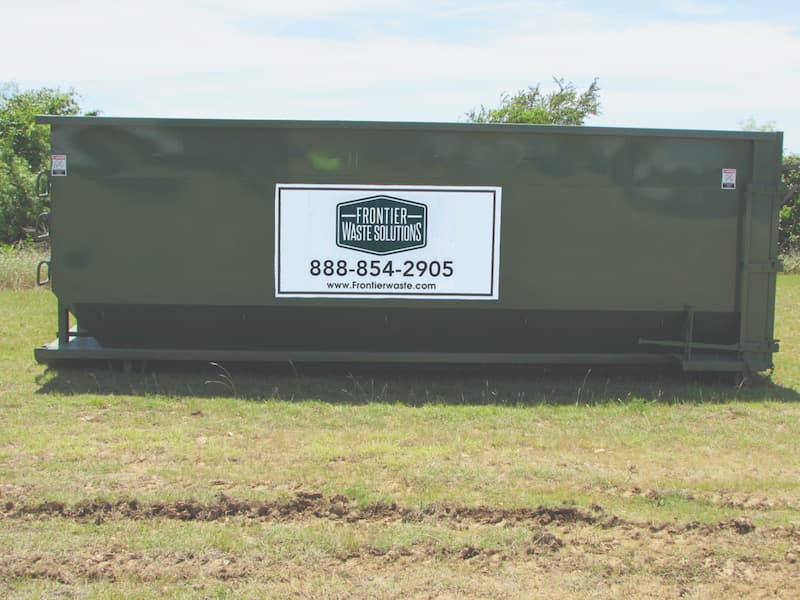
40-Yard dumpster for the biggest jobs
Decide On Disposal And Storage Options
Once primary memorabilia has been distributed, tackling what remains must be done before the house itself can be cleaned and sold. Going room by room and creating one pile to sell and one to dispose of will help lay the groundwork for the home’s value as a whole, and any outdoor structures like sheds and garages.
Whatever you decide to keep must either be donated, sold, or stored, and it is important to know what you would feel most comfortable doing. Those damaged or low-quality items that have been deemed as garbage can stack up quickly, especially if the home belonged to an older individual with plenty of years to increase their possessions.
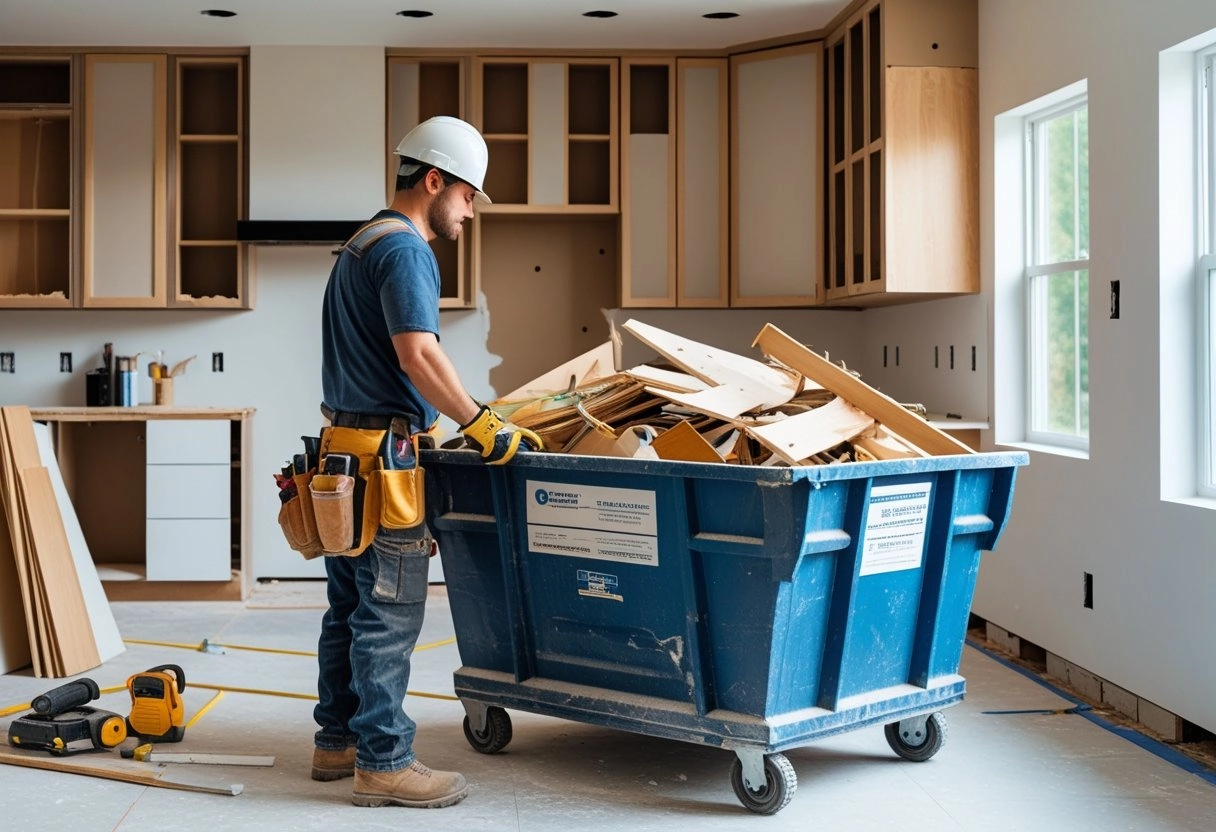
More likely than not, you’ll have more trash than you know what to do with. Because of this, renting a large dumpster is a simple and convenient way to tackle the garbage issue while still being highly practical. This will also allow other steps and processes to be prioritized, along with time to simply grieve and process what you are undertaking.
For items in the middle ground, not valuable enough to sell but too good to trash, research local charities and donation centers that will pick up large loads. Many veterans’ organizations, homeless shelters, and thrift stores offer free pickup for furniture and household goods. This service can save you multiple trips and transform unwanted items into help for those in need. Just be sure to get donation receipts for tax purposes if you’re handling an estate that will file a final tax return.
More likely than not, you’ll have more trash than you know what to do with. Because of this, renting a large dumpster is a simple and convenient way to tackle the garbage issue while still being highly practical. This will also allow other steps and processes to be prioritized, along with time to simply grieve and process what you are undertaking.
Determine What You Will Sell And How
Large items like furniture, appliances, and decorative pieces can usually be estimated in value and sold online with little hassle. An estate sale is a nice option for selling a large number of items, but these sales do take careful planning and preparations to be worth their while.
Additionally, many states tax estate sale revenue since the revenue is often much higher than a standard garage sale. Depending on your goals and how much time you can spare, selling online on sites like eBay and Craigslist is a good way to unload items with relative ease.
It may also be worthwhile to get appraisals done on items you suspect to be high-value, as this will better determine the revenue you can expect to make. For any items too nice to be thrown away but unwanted by family and other consumers, donating is a wonderful option.
Some donation facilities may even offer a small profit for your items, but this will depend on the quality of the donations and the donation center.
Today’s resale market offers more options than ever before. Facebook Marketplace has become one of the most popular platforms for local sales, often yielding quicker results than Craigslist. Specialty items like vintage clothing, antique tools, or collectibles may fetch better prices on niche platforms like Etsy, Ruby Lane, or Chairish. For books, music, and media, services like Decluttr or BookScouter offer bulk buyback options that save the hassle of individual sales.
If the estate includes potentially valuable items, original artwork, jewelry, rare books, antiques, or collectibles, investing in professional appraisals is money well spent. What looks like costume jewelry might be gold; what seems like an old book could be a first edition worth thousands. A qualified appraiser can also provide documentation needed for insurance or estate tax purposes.
Know When in the Professionals
While many families successfully handle estate cleanouts themselves, sometimes professional help is the smarter choice. Consider hiring an estate cleanout company if the home is larger than 2,500 square feet, if there’s significant clutter or hoarding, if you live far from the property, or if family dynamics make collaboration difficult. Professional services typically charge between $1,000 and $5,000 depending on the home’s size and contents, but they can complete in days what might take you months.
Professional organizers can also help with the sorting and decision-making process without handling the physical removal. Their experience can be invaluable when you’re feeling overwhelmed or uncertain about how to proceed. Many specialize in estate work and understand both the practical and emotional aspects of the job.
Final Thoughts
An estate cleanout is rarely easy, but with proper planning, realistic timelines, and support from family or professionals, it can be manageable. Remember that this work, while difficult, is also a final act of care for someone or something that mattered. Take the time you need, ask for help when you need it, and be gentle with yourself throughout the process. The goal isn’t perfection, it’s completion in a way that honors both the past and your own wellbeing.