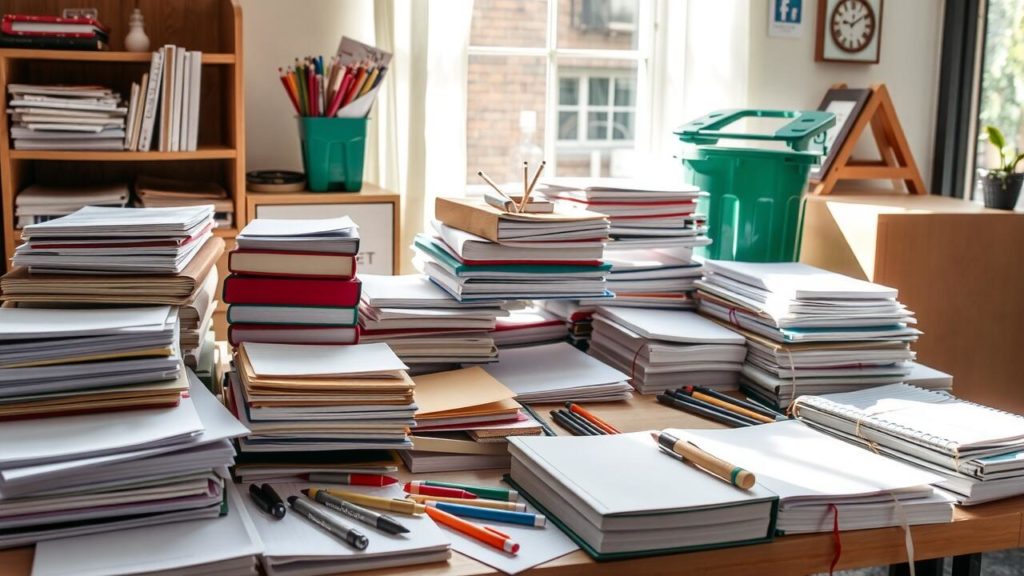
It starts innocently enough, doesn’t it? You order a few extra boxes of pens because they were on sale, or you shove a stack of leftover binders from a finished project into the bottom drawer, thinking, “I’ll definitely use those next quarter.” Unused office supplies seem harmless at first—an extra box of pens, leftover binders from an old project, unopened toner cartridges from a department that switched printers. But life gets busy, we forget what we have, and over time, they pile up.
Suddenly, you open a cabinet and it feels like an avalanche waiting to happen. Cabinets fill, closets overflow, and offices spend money replacing items they already own simply because no one knew they were there. It’s a frustrating cycle—buying new sticky notes while a mountain of them sits three doors down, buried under old holiday decorations.
Across businesses large and small, unused office supplies represent hidden costs, wasted space, and unnecessary environmental impact. And in an era where companies are under greater pressure to meet sustainability goals, every wasted resource matters. It’s not just about “going green” for the sake of appearances; it’s about efficiency and that nagging feeling that we should be doing better.
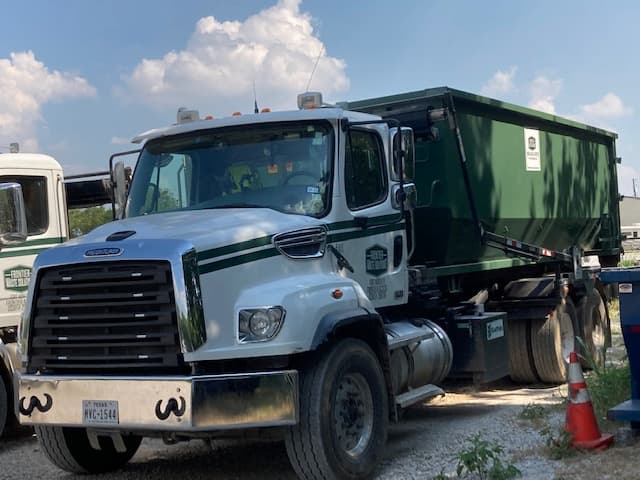
This guide lays out exactly what to do with your unused office supplies, how to handle materials responsibly, and how Frontier Waste Solutions can simplify the entire process—from everyday recycling to handling electronics, specialty materials, and bulk cleanouts.
Why Unused Office Supplies Shouldn’t Be Ignored
It is so easy to just close the door on that messy storage room and pretend it doesn’t exist. I’ve done it. While most offices focus on the waste that goes out the door, the supplies sitting untouched in storage often create more problems than expected. It’s a quiet, creeping issue that drains resources before you even notice.
The Hidden Cost of Supply Waste
When you actually stop to look at the numbers, it can be a bit of a shock. Unused items drain budgets in several ways:
- Duplicate purchases—employees reorder items because they don’t know existing stock is available.
- Cluttered storage areas—making it harder for staff to find what they need.
- Inefficient inventory management—leading to overspending, especially with bulk orders that aren’t fully used.
Over time, this adds up to thousands in unnecessary expenses. I remember looking at a budget report once and realizing we had spent a small fortune on staples while sitting on a ten-year supply. That money could have gone to something that actually helped the team, which is the part that really stings.
The Environmental and Compliance Impact
Then there’s the environmental side of things, which, honestly, weighs on most of us more than we admit. Throwing office materials into regular trash streams contributes to:
- Higher landfill volumes
- Loss of recyclable material
- Avoidable carbon footprint
- Improper disposal of electronics or chemical-based items
- Potential fines from incorrect disposal of regulated waste
As sustainability expectations rise—internally from employees and externally from stakeholders—businesses are expected to show responsible waste management practices. It feels good to know you aren’t just dumping things into the Texas soil that don’t belong there.
Frontier Waste Solutions helps offices meet environmental goals and stay compliant with local and state disposal regulations. We take on the worry so you can focus on your actual work.
What to Do With Your Unused Office Supplies
So, the closet is full. What now? Here are the best, most sustainable solutions—ranked from most eco-friendly to most essential for compliance.
Redistribute Supplies Within Your Workplace
Before you even think about throwing things out or arranging a pickup, look inward. I’ll admit, it seems obvious, but communication gaps happen. Before exploring external options, review what you already have and use it internally. Many offices find that simply reorganizing resources dramatically cuts waste.
Practical ideas:
- Create a shared supply station where items can be accessed by all departments.
- Reassign surplus materials to teams that need them (marketing always needs binders; operations may need clipboards).
- Implement a “check supply first” rule before ordering anything new.
This is the fastest way to reduce costs immediately. Plus, there’s a nice sense of satisfaction in shopping your own closet.
Donate Supplies That Are Still in Good Condition
Here is the thing that really warms my heart: what is clutter to you might be a treasure to someone else. Businesses often hold onto perfectly usable materials that would greatly benefit others. Donation is one of the best ways to keep items out of landfills while supporting the local community.
Great donation recipients include:
- Public schools
- Nonprofits and community centers
- Tutoring and after-school programs
- Local small businesses
- Art and creative reuse organizations
I remember dropping off a box of “useless” art supplies to a local after-school program, and the look on the coordinator’s face was priceless. Items that are most commonly accepted:
- Notebooks and paper
- Pens, pencils, markers
- Binders and folders
- Envelopes
- Printer paper
- Organizers
Frontier Waste Solutions can connect you with organizations that welcome these materials and assist with coordinated pickups. We love making those connections happen. Ask Frontier Waste Solutions about donation partnerships and scheduled collection services.
Recycle Office Supplies Through Proper Streams
Okay, so you can’t reuse it, and nobody wants it. Now what? Recycling is ideal when materials are no longer usable or in donation-ready condition. Most offices are surprised to learn how many everyday items can be recycled. But—and this is important—you have to do it right, or it ends up in the landfill anyway.
Commonly Recyclable Supplies
- Paper, including mixed paper and envelopes
- Cardboard
- Metal paper clips and binder clips
- Plastics #1 and #2 (varies by region)
- Certain packaging
- Cardboard or plastic organizers
- Printer cartridges (many manufacturers run take-back programs)
How to Ensure Recycling Is Effective
It’s easy to “wish-cycle”—tossing things in the blue bin and hoping for the best—but contamination is a real issue.
- Remove non-recyclable components if required
- Empty binders or folders before recycling
- Keep recyclables clean and dry to avoid contamination
Frontier can help assess what your local recycling facility accepts and provide bins tailored to your office layout.
Dispose of Specialty Materials Correctly
This is the tricky stuff. Some items require more than standard recycling. These materials can pose risks if not handled properly and often require specialized disposal. To be fair, this is where most businesses accidentally mess up.
Electronics (E-Waste)
Includes:
- Keyboards, mice, monitors
- Laptops and desktops
- Printers, scanners, and routers
- External drives
Improper disposal can violate regulations due to components like mercury, lead, and lithium. You don’t want that legacy attached to your brand.
Batteries
I used to just toss these in the trash until I learned better. Most batteries shouldn’t go into regular trash due to risks of:
- Leaking chemicals
- Fire hazard
- Groundwater contamination
Ink and Toner
Often treated as hazardous due to residual chemicals.
Chemical-Based Supplies
Cleaning agents, solvent-based products, adhesives, and compressed air cans frequently require special handling.
Frontier Waste Solutions offers secure, compliant pickup for electronics, batteries, and other regulated materials, ensuring nothing is mishandled or illegally dumped.
Building a System That Prevents Waste Going Forward
Cleaning up the mess is great, but let’s be honest—if you don’t change the habits, the closet is just going to fill up again in six months. Solving today’s clutter is helpful—but preventing future waste delivers long-term value. A sustainable supply management strategy should be simple, visible, and easy for employees to follow.
Streamlined Purchasing
It usually starts at the checkout cart. To reduce over-ordering:
- Track inventory digitally or use simple weekly counts.
- Create an approval process for larger orders.
- Avoid bulk buying unless items are consistently used.
Purchasing habits play a major role in whether supplies sit unused for months or even years. Just because you can buy 5,000 staples for a discount doesn’t mean you should.
Clear Drop Zones for Reuse, Recycling, and Disposal
If you make it hard, people won’t do it. We’re all human, and we usually take the path of least resistance. The easier it is to dispose of items properly, the more consistent employees will be.
Ideal setups include:
- A central reuse shelf for office supplies
- Clearly labeled recycling bins throughout the workspace
- A designated e-waste box
- Separate containers for cardboard and mixed recyclables
Bins need to be placed where they are naturally convenient—break rooms, hallways, print stations, and supply rooms.
Staff Awareness and Training
You can’t just put out a bin and expect magic to happen. Sustainable disposal only works when everyone understands the system.
Consider:
- Quick, single-page guides
- Clear signage on bins
- Short onboarding instructions for new hires
Employees are more compliant when instructions are simple and visually clear. Don’t make them guess.
Track Your Progress
It helps to know the score. Waste data helps offices identify problems and improvements over time.
Important metrics to monitor:
- Monthly recycling totals
- Landfill diversion rates
- Volume of unused supplies redistributed internally
- Quantity of materials donated
- Frequency of e-waste or specialty pickups
Tracking this information not only reduces cost but can also support corporate sustainability reporting. Frontier Waste Solutions offers waste assessments, recycling setup, and ongoing reporting to support office sustainability goals.
How Frontier Waste Solutions Makes Sustainable Disposal Easy
We know you have a business to run. Managing unused office supplies doesn’t need to be a burden on your staff. Frontier Waste Solutions provides comprehensive services that streamline the entire process.
Customized Waste and Recycling Programs
Every office is different. What works for a bustling tech hub won’t work for a quiet law firm. Frontier designs systems based on your:
- Material volumes
- Office size and layout
- Pickup frequency
- Types of supplies and equipment
- Sustainability goals
The goal is to make daily waste handling effortless for your team.
Handling Items Employees Can’t Dispose of Themselves
Sometimes you look at an item—like an old, broken copier—and just think, “How on earth do I move that?” Frontier handles materials that require special care, including:
- Electronics
- Batteries
- Bulky office furniture
- Specialty waste
- Large mixed-material cleanouts
This ensures safety, compliance, and environmental responsibility.
Documentation and Reporting for ESG and Compliance
The paperwork part isn’t exciting, but it’s vital. With regulations and sustainability standards evolving, proper documentation is essential.
Frontier provides:
- Recycling and diversion reports
- Certificates of disposal
- Audit support
- Records for annual sustainability reports
This simplifies compliance and gives your business verifiable environmental credentials. Request a Free Waste Assessment to see exactly how Frontier can help your office reuse, recycle, and responsibly dispose of unused supplies.
Frequently Asked Questions
Can most office supplies be recycled? Many items can—especially paper, cardboard, metal components, and some plastics. It’s best to check though; Frontier can confirm exactly what your local facility accepts.
What should I do with old electronics? Electronics should never go into regular trash. It’s unsafe and bad for the environment. Frontier provides secure, compliant e-waste pickup to take that off your hands.
Does Frontier accept mixed loads? Yes. Mixed materials—including paper, cardboard, electronics, and office equipment—can often be collected together depending on your service setup. We try to keep it flexible.
Can toner cartridges and ink be recycled? Yes. Many manufacturers offer take-back programs, and Frontier can help coordinate recycling so they don’t end up in the bin.
What items are considered hazardous? Most commonly: batteries, chemical cleaners, aerosol cans, and certain inks. These need special care, and Frontier handles them safely.
Can Frontier help with recurring recycling pickups? Absolutely. Scheduled pickups are available weekly, bi-weekly, monthly, or customized to your needs. Whatever fits your rhythm.
Have a question? Contact Frontier Waste Solutions for expert guidance.
Conclusion: Make Sustainable Disposal Part of Your Office Routine
Unused office supplies don’t have to sit collecting dust or end up in a landfill. With the right strategy—and the right partner—your business can:
- Reduce clutter
- Lower supply costs
- Support your community
- Increase recycling rates
- Stay compliant with regulations
- Meet sustainability and ESG goals
Frontier Waste Solutions is here to make the process simple, compliant, and cost-effective.
You know, sometimes I look around a freshly organized office—where the counters are clear, and the supply closet actually makes sense—and I feel a genuine sense of relief. It’s not just about the metrics or the money saved, though those are great. It’s about the feeling of respecting the space we work in and the resources we use. It hit me recently that sustainability isn’t just a corporate checkbox; it’s a mindset of care. We aren’t going to be perfect overnight, and there will always be that one drawer that gets messy, but taking these small steps matters. It feels good to know we’re trying, you know? That’s really what it’s all about.