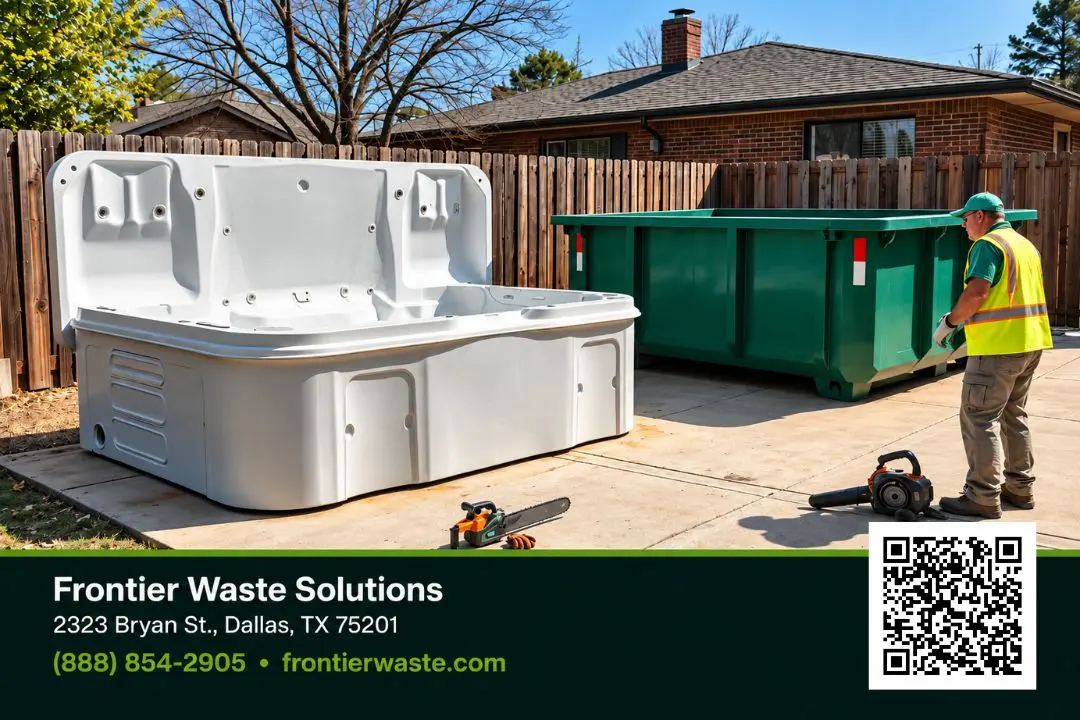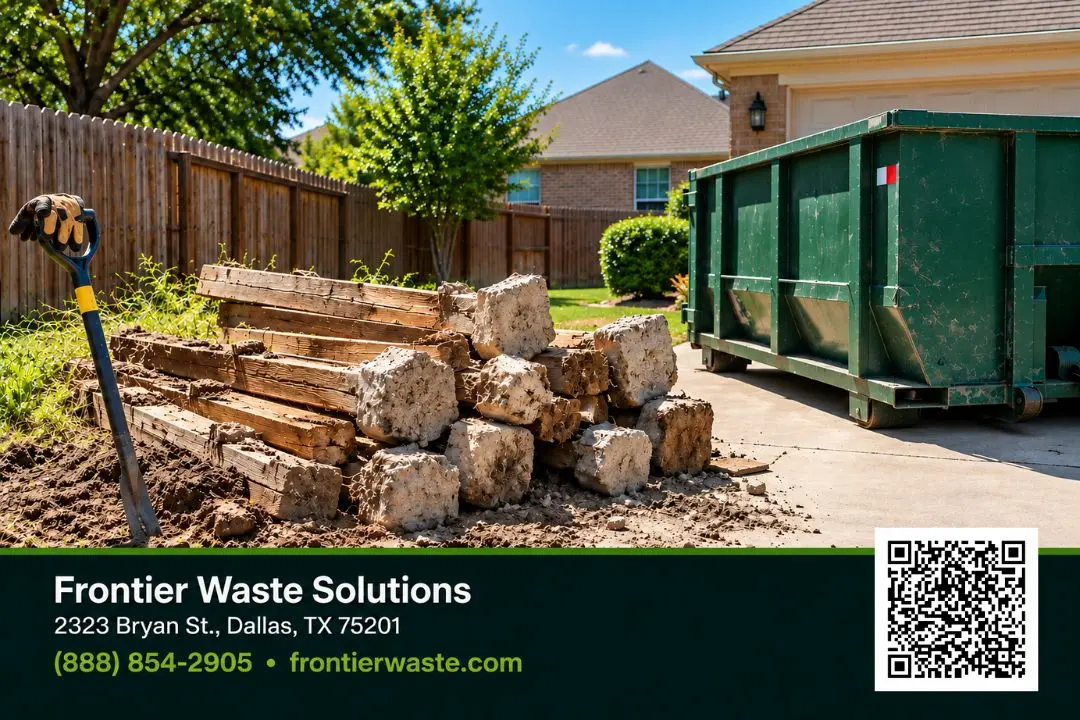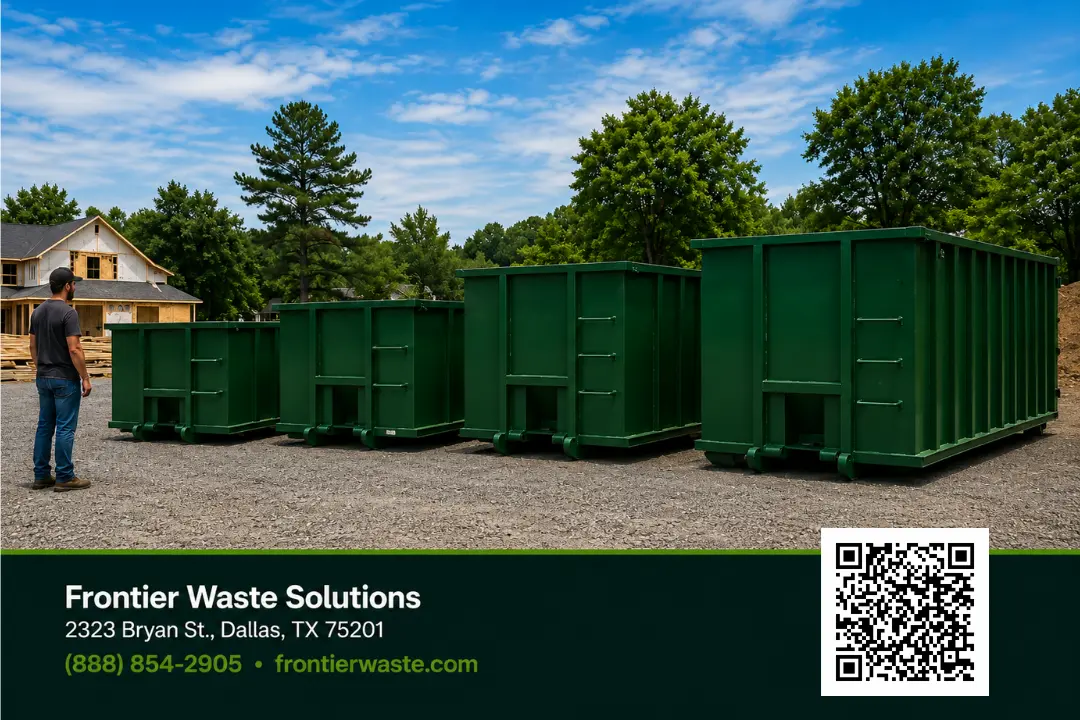
Choosing the right dumpster size can save money and prevent headaches during any cleanup project. A 10-yard dumpster works for small cleanouts, a 20-yard handles medium renovations, a 30-yard suits large remodels, and a 40-yard tackles major construction jobs. Getting the wrong size means paying for space that sits empty or scrambling to rent a second container.
Most people underestimate how much junk they actually have in their garage. Years of accumulated items, broken tools, and forgotten boxes take up more room than expected. This guide breaks down each dumpster size with real measurements and practical examples.
The right container depends on the project scope, available space for delivery, and budget constraints. A garage cleanout might need a 20-yard bin, while a full home renovation could require a 40-yard option. Understanding these differences helps homeowners and contractors make smart decisions from the start.
The Garage As Wasted Space

Many homeowners use their garage as a dumping ground for items they don’t want inside the house. Over time, boxes pile up, old furniture gets stacked in corners, and broken appliances take up valuable floor space.
A garage cleanout becomes necessary when the space no longer serves its original purpose. Most garages are designed to hold one or two vehicles, yet countless families can’t park their cars inside because of accumulated clutter.
The average two-car garage spans about 400 to 600 square feet. That’s a significant amount of space being wasted on items that might never get used again.
Common items that take over garages include:
- Seasonal decorations stored in oversized boxes
- Sports equipment from activities no longer pursued
- Paint cans and building materials from completed projects
- Furniture waiting to be donated or repaired
- Broken tools and outdated electronics
Reclaiming garage space requires a systematic approach. Start by sorting items into categories: keep, donate, sell, or throw away. Be honest about what actually gets used versus what’s just taking up room.
A garage cleanout often generates more waste than people expect. Old paint, chemicals, and electronics need proper disposal. Broken furniture and damaged goods add up quickly. This is where dumpster rental becomes practical.
The right dumpster size depends on how much stuff has accumulated. A 10-yard dumpster works for light cleanouts, while a 20 or 30-yard container handles years of stored items. Choosing the appropriate size means completing the project efficiently without multiple trips to the landfill.
Set A Clear Goal For Your Garage Transformation

Before ordering a dumpster, homeowners need to decide what they want their garage to become. A gym requires different prep work than a workshop or home office.
Writing down specific goals helps determine how much stuff needs to go. Someone converting their garage into a studio apartment will toss more items than someone just organizing tools.
Common garage transformation goals include:
- Creating a home gym or fitness area
- Building a workshop for DIY projects
- Adding storage with shelving systems
- Converting space into a rental unit
- Setting up a hobby room or craft space
The goal affects dumpster size directly. A complete garage cleanout for a renovation typically needs a 20 or 30 yard dumpster. Simple decluttering projects often work fine with a 10 yard option.
Homeowners should measure their garage and sketch a basic layout. This shows how much floor space they need to clear. More cleared space means more debris to haul away.
Budget matters too. Setting a realistic budget for the transformation helps people decide what stays and what goes. Items worth selling can offset dumpster rental costs.
The timeline also plays a role in planning. Quick weekend cleanouts might need a smaller dumpster with faster turnover. Month-long renovations benefit from larger bins that can sit on-site longer.
Taking photos of the current garage state provides a reference point. These images help track progress and remind people why they started the project when motivation dips.
Block The Time & Prep Like A Pro

Schedule the dumpster delivery for a day when someone will be home to direct placement. The driver needs clear access to the spot, and last-minute changes create delays.
Before delivery day:
- Clear the driveway or designated area of vehicles, toys, and equipment
- Trim back any low-hanging branches that might block the delivery truck
- Mark the exact placement spot with cones or chalk
- Check with neighbors if the dumpster will sit near property lines
The delivery window typically spans 2-4 hours. Most companies provide a call-ahead courtesy, but blocking off the full window prevents missed deliveries.
Placement prep matters more than most people think. A dumpster on soft ground can sink and create ruts. Put down plywood sheets under smaller units to protect driveways and grass. Larger dumpsters already distribute weight better, but concrete or asphalt placement works best.
| Dumpster Size | Recommended Placement Surface | Protection Needed |
|---|---|---|
| 10-yard | Concrete, asphalt, or firm ground | Plywood for driveways |
| 20-yard | Hard surfaces preferred | Boards for soft areas |
| 30-yard | Concrete or asphalt | Minimal if on pavement |
| 40-yard | Concrete only | Not recommended for residential driveways |
Contact the rental company 24 hours before delivery to confirm the appointment. This catches scheduling errors early and ensures the right size arrives. If plans change, most companies need at least one business day notice to adjust pickup dates without extra fees.
Empty The Entire Garage First
Taking everything out of the garage makes it easier to see what’s worth keeping and what needs to go. This step prevents homeowners from underestimating how much junk they actually have stuffed in corners and on shelves.
Start with a clean slate by removing:
- Old paint cans and chemicals
- Broken tools and equipment
- Cardboard boxes filled with mystery items
- Sports gear nobody uses anymore
- Holiday decorations from three decades ago
Once everything sits in the driveway or yard, sorting becomes straightforward. People can create three piles: keep, donate, and trash. This method stops them from playing Tetris with their belongings while trying to clean.
The empty space also reveals damage or repairs the garage might need. Water stains, cracks in the floor, or pest problems become visible without clutter blocking the view.
Choosing the right dumpster size depends on what comes out:
| Dumpster Size | Best For |
|---|---|
| 10 Yard | Light garage cleanout with minimal large items |
| 20 Yard | Standard garage cleanout with some furniture |
| 30 Yard | Full garage plus workshop equipment |
| 40 Yard | Multiple garages or storage buildings |
Most single-car garages need a 20-yard dumpster for a complete cleanout. Two-car garages with years of accumulated stuff often require a 30-yard size. Hauling everything outside first gives an accurate picture of the volume headed to the dump.
Create Sorting Zones That Actually Work

Setting up sorting zones before a dumpster arrives makes the entire cleanup process faster and less chaotic. Most people skip this step and end up wasting time moving items around multiple times.
The key is creating distinct areas based on what goes where. A simple three-zone system works for most projects:
| Zone | What Goes Here | Best Location |
|---|---|---|
| Keep | Items to store or donate | Garage or covered area |
| Trash | Everything for the dumpster | Near dumpster placement spot |
| Special Disposal | Electronics, hazardous materials, recyclables | Separate corner away from main zones |
Each zone needs clear boundaries. Use tarps, rope, or even chalk lines on driveways to mark different areas. This prevents items from getting mixed up when multiple people help with the project.
Place the trash zone closest to where the dumpster will sit. This cuts down on carrying heavy items long distances. The keep zone should stay protected from weather and away from the work area.
Label each zone with signs that anyone can understand. A simple “DUMPSTER,” “DONATE,” or “HAZARDOUS” written on cardboard does the job. Family members and helpers won’t have to ask where things go every five minutes.
Size matters when planning zones. A 10-yard dumpster project needs less sorting space than a 40-yard job. Estimate about 100 square feet of sorting area for smaller dumpsters and 200-300 square feet for larger ones.
Clean The Space From Top To Bottom
Working from the ceiling down makes dumpster filling more efficient. Start by removing ceiling fixtures, light covers, and anything mounted overhead. This prevents debris from falling onto items already in the container.
Next, tackle the walls. Remove shelving, cabinets, and wall-mounted fixtures before tearing out drywall or paneling. Stacking materials flat in the dumpster saves considerable space.
Clear out furniture and large items from the middle of the room. Break down what can be disassembled. Tables, desks, and bed frames take up less room when separated into parts.
Save the floor for last. Sweep up small debris, nails, and broken pieces after the major items are gone. This approach keeps workers from tracking dirt through clean areas.
A top-to-bottom method offers three main benefits:
- Prevents double handling of materials
- Reduces risk of items falling on workers
- Maximizes dumpster capacity through better organization
The dumpster size needed depends on how much comes out of each level. A 10-yard container works for single-room projects. Whole-house cleanouts typically require 30 or 40-yard units.
Load heavy materials like drywall and wood first. Place them flat on the bottom. Lighter items like insulation and cardboard go on top. This distribution keeps the dumpster stable and prevents crushing reusable materials.
Plan the cleaning order before the dumpster arrives. Knowing what goes where speeds up the project and reduces labor costs.
Build A Storage System That Lasts
A dumpster becomes more than just a waste container when paired with smart storage planning. The right system keeps materials organized and prevents overflow between pickups.
Start by designating specific zones within the dumpster for different waste types. Heavy debris goes on the bottom, lighter materials on top. This method maximizes space and prevents compaction issues that make removal difficult.
Key Storage Practices:
- Break down boxes and flatten cardboard before tossing
- Place bags in corners and gaps to fill empty spaces
- Keep hazardous materials separate and dispose through proper channels
- Schedule regular pickups before reaching 80% capacity
The dumpster size directly impacts storage efficiency. A 10-yard unit works for small cleanouts but fills quickly. Larger 30 or 40-yard containers handle construction projects where materials accumulate fast.
Weather protection matters more than most people think. Tarps keep rain from adding weight to the load and prevent soggy cardboard from falling apart. Some waste management companies provide covers as part of the rental package.
Dumpster Size Capacity:
| Size | Best Storage Duration | Typical Projects |
|---|---|---|
| 10-yard | 3-5 days | Garage cleanouts |
| 20-yard | 1 week | Small renovations |
| 30-yard | 2 weeks | New construction |
| 40-yard | 2-3 weeks | Commercial demo |
Position matters just as much as organization. Place the dumpster on level ground within 30 feet of the main work area. This reduces carrying distance and increases the likelihood that workers will use it properly instead of creating waste piles nearby.
Move Items Back With Purpose
After a dumpster rental period ends, some homeowners realize they removed items too quickly. The rush to clear space often leads to regret when they need those materials later.
Smart planning prevents this common mistake. Before tossing items into a 10, 20, 30, or 40 yard dumpster, people should separate what might have future use. A good rule is to keep anything that has been used in the past year or could serve a purpose in the next six months.
Items Worth Reconsidering:
- Building materials like lumber, bricks, or tiles
- Seasonal decorations stored for specific holidays
- Tools and equipment in working condition
- Furniture that needs minor repairs
- Documents requiring proper shredding
The dumpster size affects decision-making. A 10 yard container fills quickly, forcing faster choices. Larger 30 or 40 yard dumpsters provide more room, which sometimes leads to careless disposal.
Creating a “maybe” pile helps. This designated area holds items that need a second look before final disposal. Family members can review these pieces together and make better decisions.
Best Practices:
- Take photos of questionable items
- Set aside one day for review
- Ask neighbors if they need anything
- Check donation value before tossing
Timing matters when moving items back. Rental periods typically last 7-14 days, giving enough time to reconsider. Waiting until the last day creates unnecessary pressure and poor choices.
Maintain The Clean-Out Long-Term
Finishing a big clean-out feels great, but the work doesn’t stop once the dumpster gets hauled away. Creating habits that prevent clutter from building up again saves time and money down the road.
Set up regular disposal schedules for items that accumulate quickly. This might mean quarterly garage cleanings or monthly basement checks. Mark these dates on a calendar to stay consistent.
Create designated spaces for items that often end up in piles. Tools belong in toolboxes, seasonal decorations go in labeled bins, and donation items need their own container. When everything has a home, clutter has fewer places to hide.
Consider these practical steps:
- Schedule annual or bi-annual dumpster rentals for routine property maintenance
- Install storage solutions that make organization easier
- Follow the one-in-one-out rule when buying new items
- Sort mail and paperwork immediately instead of letting it pile up
Businesses benefit from maintenance schedules too. Regular waste audits help identify what gets thrown away most often. This information guides better purchasing decisions and reduces unnecessary disposal costs.
Keep contact information for waste services handy. Having a reliable dumpster rental company ready to call makes tackling future projects less stressful. Some properties need annual cleanings, while others require attention every few years.
Track what works and what doesn’t. If certain areas keep getting messy, the storage system might need adjustment. Small changes to daily routines often prevent major cleanouts later.
When To Call In Garage Clean Out Services
Some garage cleanouts require more than a dumpster rental. Professional junk removal services make sense when the project involves hazardous materials, heavy items, or overwhelming clutter that’s accumulated over years.
Consider hiring professionals when:
- The garage contains chemicals, paint cans, or automotive fluids that need proper disposal
- Large appliances or furniture are too heavy to move safely
- Time constraints don’t allow for a DIY approach
- The amount of junk makes it difficult to know where to start
A typical garage cleanout service handles sorting, lifting, and hauling away unwanted items. Teams can knock out in hours what might take a homeowner an entire weekend. They know proper disposal methods for different materials and which items can be donated or recycled.
| Service Type | Best For | Average Cost Range |
|---|---|---|
| DIY Dumpster Rental | Manageable projects, flexible timeline | $300-$600 |
| Full-Service Cleanout | Large jobs, quick turnaround needed | $400-$800 |
| Junk Removal | Selective item removal | $150-$400 |
Similar considerations apply to basement cleanout and industrial cleanouts. These spaces often contain items that require special handling or disposal permits. Industrial cleanouts may involve machinery, scrap metal, or commercial waste that exceeds what a standard dumpster rental can accommodate.
Signs it’s time to call professionals:
- Items are blocking safe access to the space
- The job requires more than four people to complete
- Specialty equipment like forklifts might be necessary
- State or local regulations govern disposal of certain materials
Next Steps
Once a customer determines the right dumpster size, they need to take action. The first step involves contacting a waste management provider to check availability and pricing for the specific size needed.
Before placing an order, gather this information:
- Project timeline and estimated rental duration
- Delivery location and any access restrictions
- Type of waste materials for disposal
- Local permit requirements for street placement
Most providers offer online booking or phone orders. Customers should ask about weight limits, overage fees, and prohibited items during this conversation. Some companies include delivery, pickup, and a set tonnage limit in their base price.
Scheduling delivery requires consideration of:
- Space clearance – Trucks need 60 feet of overhead space and 10 feet of width
- Surface protection – Driveways may need plywood under the dumpster
- Placement strategy – Position near the work area but away from traffic
After booking, customers receive a confirmation with delivery details. They should prepare the drop-off area by removing vehicles and obstacles. The driver will place the dumpster and explain any additional rules.
During the rental period, customers fill the dumpster without exceeding the rim. When finished, they schedule a pickup through the provider’s system. The company hauls away the dumpster and handles proper disposal or recycling of contents.
Some projects require extending the rental period. Providers typically offer flexible terms with additional daily or weekly rates for those who need more time.
Frequently Asked Questions
Customers often ask similar questions when choosing between 10, 20, 30, and 40-yard dumpsters. These answers cover the main concerns about capacity, cost, weight restrictions, space requirements, prohibited items, and rental timelines.
What are the typical uses for 10, 20, 30, and 40-yard dumpsters?
A 10-yard dumpster works well for small bathroom remodels, garage cleanouts, or minor landscaping projects. It holds about 4 pickup truck loads of debris.
The 20-yard dumpster handles medium renovation projects like kitchen remodels, flooring removal, or roof replacements for small homes. Most homeowners choose this size for general cleanouts and mid-sized construction work.
A 30-yard dumpster suits larger home additions, significant renovation debris, or new construction projects. It can handle 12 pickup truck loads of material.
The 40-yard dumpster is designed for major construction sites, complete home demolitions, or large commercial cleanouts. Contractors use this size for projects that generate substantial amounts of demolition debris over extended periods.
How does pricing compare between different sizes of dumpsters?
Dumpster rental costs increase with size, but not always proportionally. A 10-yard dumpster typically costs $250-$450 for a standard rental period.
The 20-yard dumpster ranges from $350-$550. A 30-yard dumpster usually runs $400-$650.
The 40-yard dumpster costs between $500-$800. These prices vary based on location, rental duration, and the type of debris being disposed of.
Choosing a slightly larger dumpster often makes more financial sense than paying overage fees for a smaller unit.
What are the weight limits for each size of dumpster, and how are overage charges handled?
Weight allowances typically range from 2-3 tons for a 10-yard dumpster. The 20-yard dumpster includes 3-4 tons of weight capacity.
A 30-yard dumpster allows 4-5 tons. The 40-yard dumpster permits 5-6 tons of material.
Weight limits depend on what the customer is disposing of. Heavy materials like concrete or dirt require special consideration regardless of dumpster dimensions.
Overage fees apply when loads exceed the included weight allowance. Most dumpster rental companies charge $50-$100 per ton over the limit. Customers should estimate their debris weight before selecting a roll-off dumpster size to avoid unexpected costs.
How much space is needed to accommodate each size of dumpster on a property?
A 10-yard dumpster needs approximately 14 feet long by 8 feet wide of space. The roll-off dumpster also requires 23 feet of vertical clearance for delivery.
The 20-yard dumpster measures about 22 feet long by 8 feet wide. Property owners should allow 25 feet of overhead clearance.
A 30-yard dumpster takes up roughly 22 feet by 8 feet of ground space. The delivery truck needs adequate room to maneuver and place the container.
The 40-yard dumpster requires about 22 feet by 8 feet at minimum. Commercial sites usually have better access for these larger roll-off dumpster sizes than residential properties.
Driveways work best for placement, though some projects require street permits. The area must be firm and level to support the weight of the loaded container.
What materials are not allowed to be disposed of in dumpsters, and how does this vary by size?
Prohibited items remain the same across all dumpster sizes. Hazardous materials like paint, chemicals, batteries, and asbestos cannot go in any roll off dumpster.
Electronics, tires, and certain appliances require special disposal methods. Waste management regulations prohibit these items regardless of container capacity.
Flammable liquids, medical waste, and radioactive materials are never acceptable. Each dumpster rental company provides a complete list of restricted items before delivery.
The restriction rules don’t change based on cubic yards or dumpster dimensions. A residential dumpster follows the same guidelines as a commercial dumpster. Customers who need to dispose of prohibited materials should contact their dumpster rental company for alternative solutions.
How do rental periods vary for different sizes of dumpsters and what are the options for extension?
Standard rental duration runs 7-10 days for most dumpster sizes. This timeframe applies to 10, 20, 30, and 40-yard dumpsters equally.
Some projects need shorter 3-5 day rentals. Others require 14-30 day periods for ongoing construction or renovation debris removal.
Extensions typically cost $5-$15 per day beyond the initial rental period. Customers should notify their dumpster rental company before the scheduled pickup date to arrange an extension.
Long-term rentals offer better rates for projects lasting several weeks or months. The size of the yard dumpster doesn’t affect rental period options, though larger containers often stay on-site longer due to the scope of work they support.