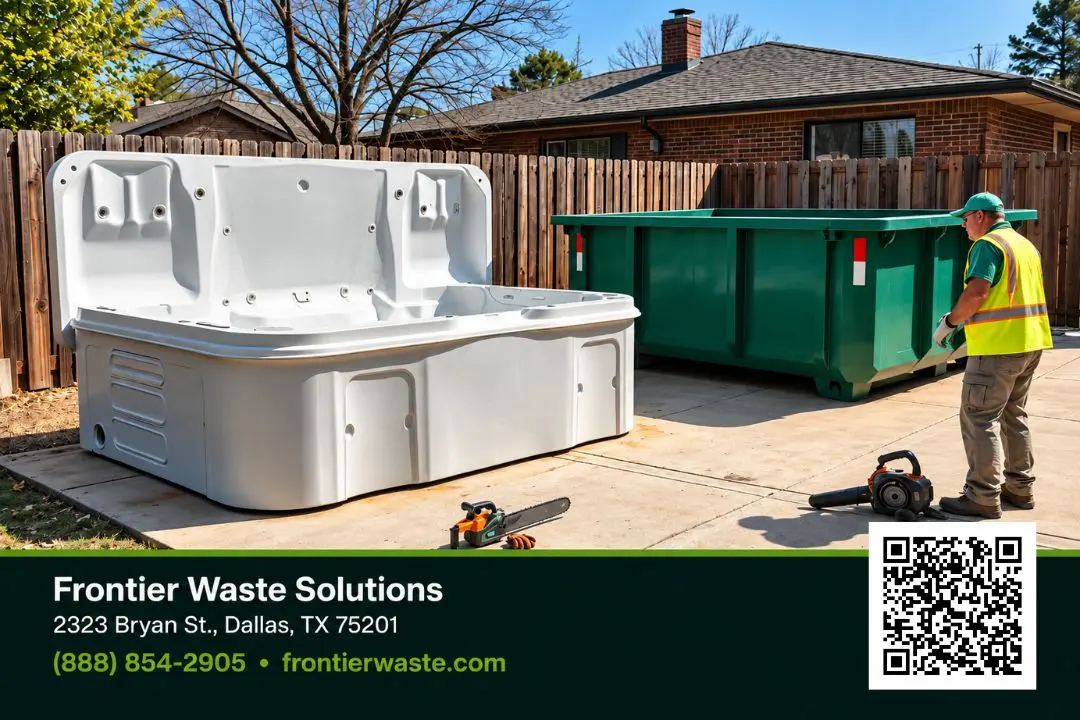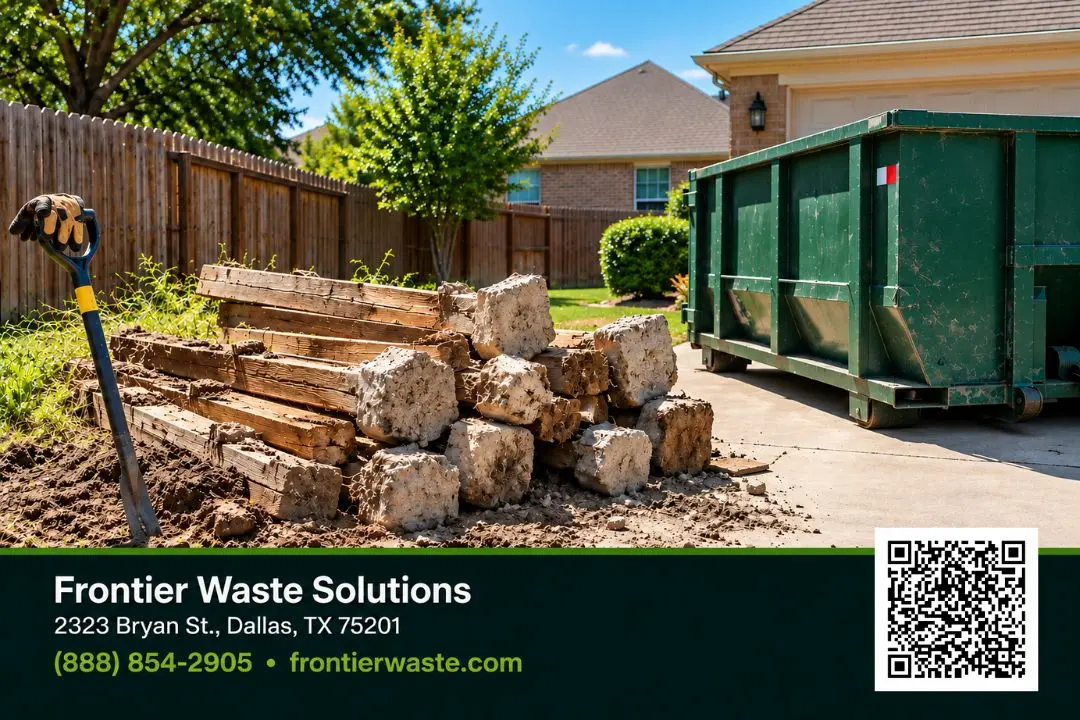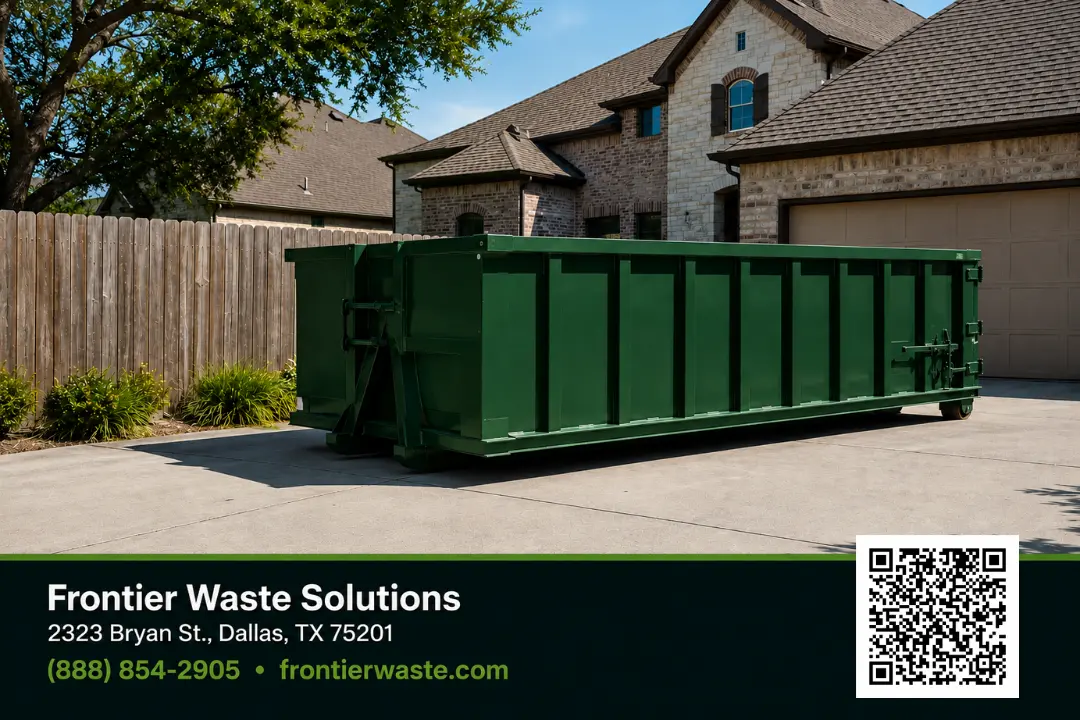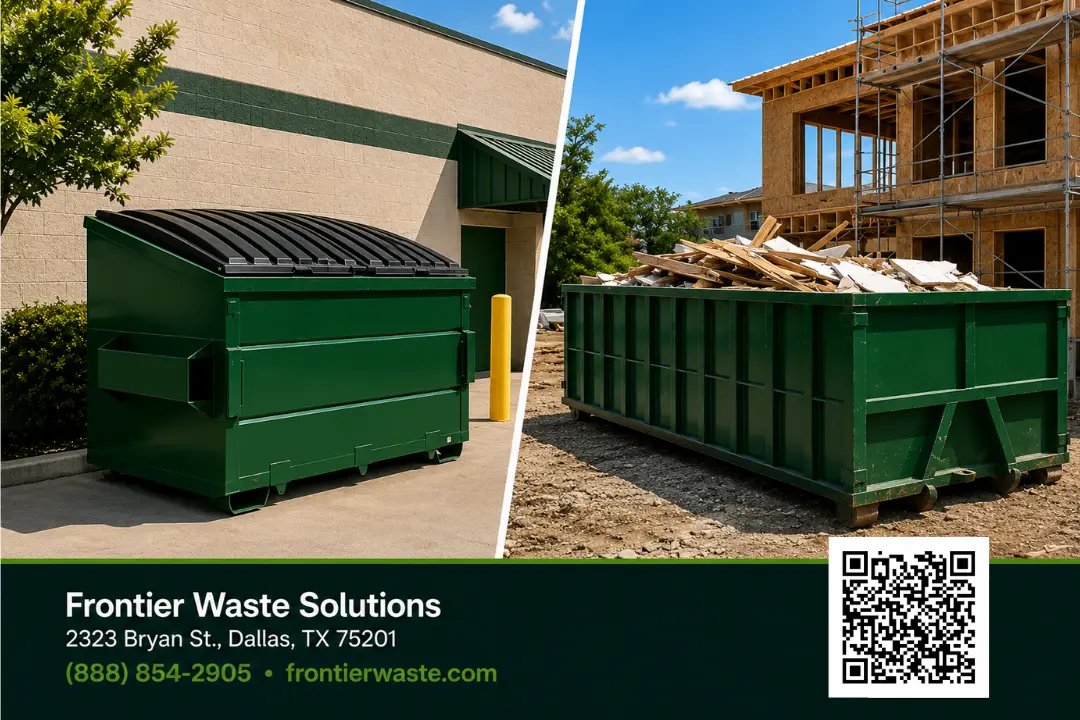
Choosing between a front load and roll-off dumpster affects project efficiency and budget. Front load dumpsters work best for ongoing commercial waste needs at businesses and apartment complexes, while roll-off dumpster rental handles temporary projects like renovations, construction jobs, and major cleanouts. Most people don’t realize these two container types serve completely different purposes.
The confusion makes sense because both remove trash from a property. But picking the wrong one leads to wasted money and logistical headaches. A restaurant doesn’t need a 40-yard roll-off sitting in their parking lot, just like a home remodel can’t rely on a small front loader emptied weekly.
This guide breaks down the key differences between these dumpster types. It covers when to use each one, how pricing works, and what to consider before ordering. Whether managing a garage transformation or running a commercial property, understanding these options saves time and frustration.
The Garage As Wasted Space
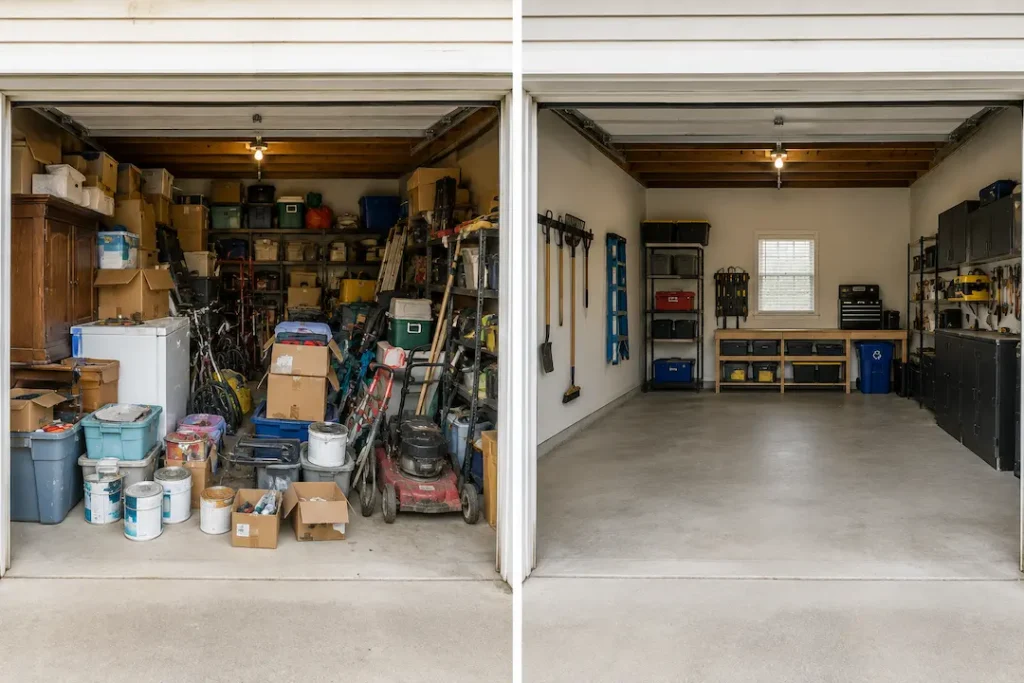
Many homeowners treat their garage like a black hole for stuff they don’t want to deal with. Old paint cans pile up next to broken furniture. Holiday decorations share space with rusty tools and forgotten sporting equipment.
The average two-car garage holds about 400 square feet of potential storage or workspace. Yet most people can’t even park one car inside because of all the clutter.
Common items taking up garage space:
- Broken appliances waiting for “someday” repairs
- Cardboard boxes from purchases made years ago
- Expired chemicals and half-empty paint containers
- Kids’ toys they’ve outgrown
- Exercise equipment that became a clothing rack
This wasted space costs homeowners in multiple ways. Cars sit outside exposed to weather and potential damage. The garage becomes difficult to navigate and potentially dangerous with items stacked haphazardly.
A dumpster rental vs. junk removal comparison can help clarify the right approach for a garage cleanout. Front load dumpsters work well for regular cleanouts if the business or facility needs ongoing service. Roll-off dumpsters make more sense for one-time garage overhauls.
Most garage cleanouts require a 10 or 15-yard roll-off dumpster. This size handles furniture, old cabinets, and boxes of miscellaneous items without taking up the entire driveway.
The decision to reclaim garage space often happens during major life changes. Moving, downsizing, or preparing a home for sale all trigger the need to finally address years of accumulation.
Set A Clear Goal For Your Garage Transformation
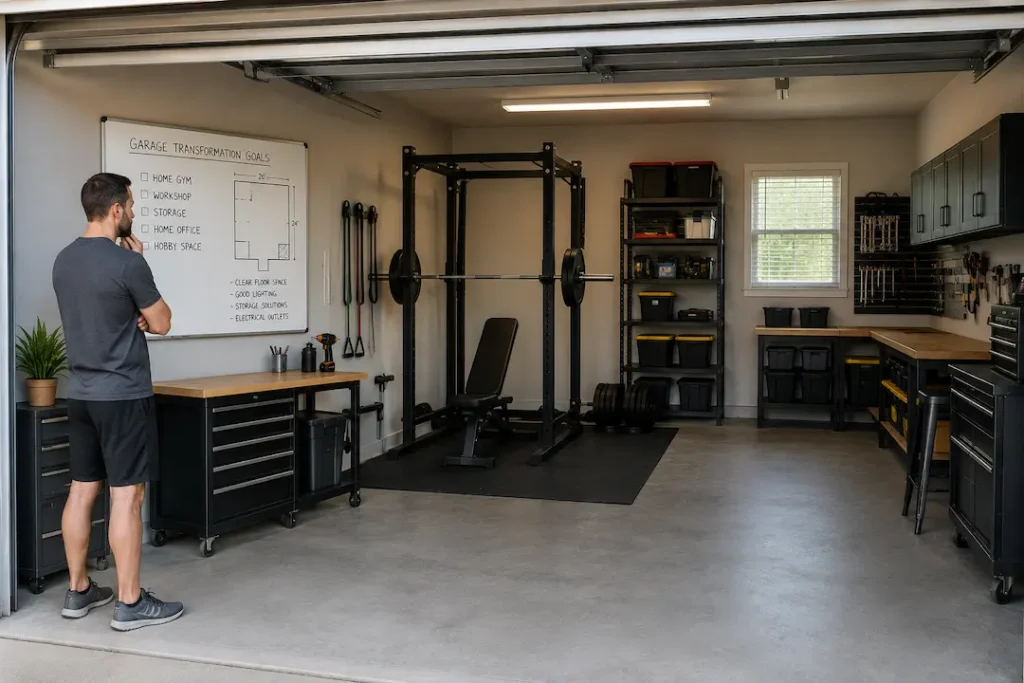
Before ordering a dumpster, homeowners need to decide what they want their garage to become. A workout space requires different planning than a workshop or storage area.
Common garage transformation goals include:
- Converting to a home gym or exercise area
- Creating a functional workshop with tools and equipment
- Building a hobby space for crafts or projects
- Organizing storage with shelving systems
- Adding a home office or studio
The goal determines how much stuff needs to go. A home gym might only need 30% of current items removed. A full workshop conversion could require clearing out 70% or more of existing contents.
Write down specific measurements and requirements. Does the new space need electrical outlets? Will large equipment fit through the door? These details help estimate the amount of waste.
Most garage cleanouts generate between 10 to 20 cubic yards of debris. That includes old boxes, broken furniture, outdated tools, and years of accumulated items. A roll-off dumpster works better for these projects than a front load container.
Front load dumpsters stay in one spot and get emptied on a schedule. Roll-off dumpsters arrive, sit in the driveway for days or weeks, then get hauled away when full. The flexibility matters during a garage transformation.
Setting clear goals prevents the common mistake of removing too little. Homeowners often underestimate how much space their new vision requires. They end up keeping items that crowd the transformed area.
Block The Time & Prep Like A Pro
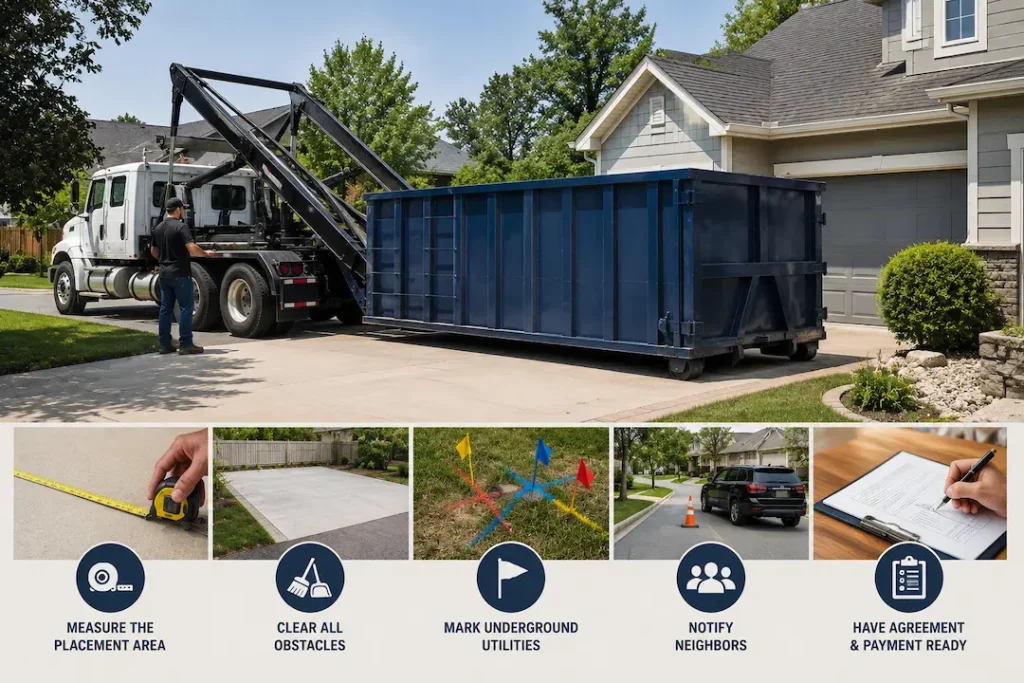
Smart scheduling prevents headaches when renting either dumpster type. Front load dumpsters work on recurring pickup schedules, typically ranging from once weekly to multiple times per week. Roll-off containers stay on-site for a set rental period, usually 7 to 14 days.
Business owners should coordinate front load deliveries during off-peak hours to avoid blocking customer access. The driver needs clear access to the pad location every pickup day. For Texas customers, Frontier serves dumpster rental in Dallas and surrounding metros with flexible scheduling options.
Roll-off renters need to plan their project timeline before calling. A kitchen remodel might need 10 days, while a roof replacement could finish in 3 days. Getting the timeline wrong means paying extra fees for extensions or rushing to fill the container.
Preparation checklist for delivery day:
- Measure the placement area (front loads need a concrete pad, roll-offs need 60 feet of straight access)
- Remove any obstacles like vehicles, equipment, or low-hanging branches
- Mark underground utilities if placing a roll-off on unpaved ground
- Notify neighbors if the dumpster blocks shared access
- Have the signed agreement and payment method ready
To avoid driveway damage, review our guide on how to protect your driveway during a dumpster rental before drop-off day.
The delivery truck for a roll-off spans about 60 feet when the container rails extend. Tight driveways or narrow alleys create problems. Front load trucks need less space but require weekly clearance.
Customers who measure twice and communicate site restrictions save time and avoid redelivery charges. Taking photos of the placement area helps the rental company confirm feasibility before dispatch.
Empty The Entire Garage First
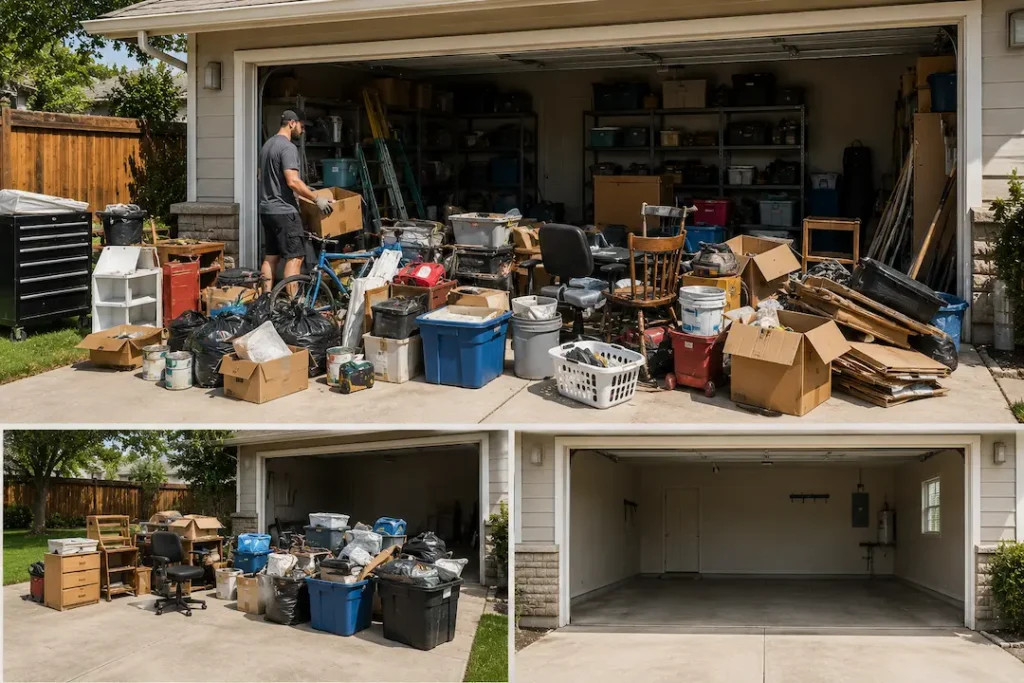
Before choosing between a front load and roll-off dumpster for a garage cleanout in Dallas, homeowners need to clear everything out completely. This step reveals the actual volume of waste and helps determine which dumpster type works best for the project.
Pulling items into the driveway makes sorting easier. People can separate trash from recyclables and items worth donating. This process often uncovers more junk than expected hiding in corners and on shelves.
Why complete removal matters:
- Accurate waste assessment prevents ordering the wrong dumpster size
- Creates space to work safely during the cleanout
- Allows for proper sorting of materials
- Reveals hidden damage or needed repairs
A front load dumpster works well for ongoing garage maintenance where small amounts of waste accumulate weekly. Roll-off dumpsters handle major cleanouts better since they hold more material and stay on-site for days or weeks.
Cardboard boxes alone can fill half a dumpster if not broken down properly.
Taking photos of the empty garage helps track progress. The cleared space also makes it obvious whether the job requires a one-time roll-off rental or regular front load service. Texans tackling this project should account for the heat when scheduling outdoor sorting sessions.
Create Sorting Zones That Actually Work
Setting up sorting zones requires more than just placing bins next to each other. The key is designating specific areas for different waste types before the dumpster arrives.
Start with these three basic zones:
- Recyclables – Paper, cardboard, plastic bottles, and metal cans
- General waste – Non-recyclable materials and everyday trash
- Special items – Electronics, batteries, or hazardous materials
Mark each zone with clear signs or colored tape on the ground. Workers need to spot the right area from a distance without squinting at tiny labels.
Place the most-used zones closest to where waste gets generated. If a construction crew is tearing out drywall, put the construction debris zone right there. Don’t make people walk across the site with heavy loads.
| Zone Type | Best Location | Container Size |
|---|---|---|
| Recyclables | Near packaging areas | Medium bins |
| General waste | Central to all activity | Large containers |
| Special items | Secured, covered area | Small bins |
Keep zones at least three feet apart. This prevents cross-contamination when someone tosses items carelessly. It also gives people room to move around bins safely.
For front load dumpsters, arrange zones in a line parallel to the dumpster. Roll-off containers work better with zones positioned in an L-shape around the unit.
Check zones twice daily and empty smaller sorting bins before they overflow. When bins get too full, people start throwing items anywhere. Frontier Waste Solutions has seen this pattern at hundreds of Texas job sites.
Clean The Space From Top To Bottom
Before placing a dumpster on any property, the area needs proper preparation. Start by clearing debris, leaves, and loose materials from the designated spot. This prevents items from getting trapped under the container and causing damage to the surface.
Check overhead for low-hanging branches, power lines, or roof edges. Front load dumpsters require vertical clearance for the truck’s lifting mechanism. Roll-off containers need space for the cable system during delivery and pickup.
Remove any obstacles within a 10-foot radius around the placement zone. This includes:
- Garden hoses
- Toys or equipment
- Flower pots
- Lawn decorations
- Rocks or gravel
Sweep concrete or asphalt surfaces to spot cracks or weak points. A damaged surface might not support the weight of a loaded dumpster. Small stones and dirt can also get ground into pavement under the container’s weight.
For grass or dirt areas, mark sprinkler heads and underground utilities. Call 811 before placement to locate buried lines. A heavy-duty roll-off container will compact soil and potentially damage irrigation systems.
Clean the immediate surrounding area too. Waste collection trucks need room to maneuver. Parked cars, storage bins, or construction materials in the path create delays and safety hazards.
Take photos of the cleared space before the dumpster arrives. This documentation helps identify any damage that occurs during placement or removal. A well-prepared site makes the entire rental process smoother.
Build A Storage System That Lasts
Both front load and roll-off dumpsters require proper storage planning to maximize their lifespan and efficiency. The right setup protects equipment from damage while keeping service areas accessible.
Front Load Dumpster Storage
These units need a firm, level concrete pad that extends at least two feet beyond the dumpster on all sides. The pad prevents wheels from sinking into soft ground and reduces wear on the container base.
Placement matters more than most people realize. Keep the dumpster at least 10 feet from buildings to allow truck access. Install wheel stops or bollards to prevent the container from rolling during loading.
Roll-Off Container Storage
Roll-off dumpsters demand different considerations. They work best on asphalt or concrete surfaces that can handle their weight when full.
| Storage Factor | Requirement |
|---|---|
| Surface Type | Concrete or asphalt |
| Clearance Height | Minimum 23 feet |
| Access Width | At least 12 feet |
| Ground Slope | Less than 5 degrees |
The delivery truck needs a straight approach path without tight turns. Trees, power lines, and overhead structures can block placement.
Maintenance Tips
Regular cleaning extends container life significantly. Pressure washing removes corrosive materials that eat through metal over time. Apply rust-resistant coating to vulnerable spots like corners and welds.
Check drain holes monthly to prevent water accumulation. Standing water accelerates rust and adds unnecessary weight.
Frontier Waste Solutions recommends scheduling container inspections every six months. Small repairs cost less than replacements and keep operations running smoothly.
Move Items Back With Purpose
When loading a front load or roll-off dumpster, many people throw items in randomly and hope for the best. This wastes space and costs money.
Strategic placement makes a difference. Place flat items like plywood, doors, and cardboard at the bottom. These create a stable base for everything else.
Break down boxes and furniture before tossing them in. A couch takes up three times more space intact than disassembled. The same goes for tables, chairs, and shelving units.
Heavy items belong on the bottom. Lighter materials go on top. This prevents crushing lighter debris and maximizes the container’s capacity.
For roll-off dumpsters, distribute weight evenly across the container. Uneven loading can make pickup difficult or impossible. Front load dumpsters need weight centered to prevent tipping during collection.
Items that nest together save substantial space:
- Stack boxes inside larger boxes
- Place buckets and bins inside each other
- Fit smaller furniture pieces inside larger frames
- Compress bags of soft materials
Fill gaps with smaller debris. Throw bags of trash or loose items into empty spaces between larger objects. Every cubic foot counts when paying for dumpster rental.
Consider the order of disposal too. Items going in last should be things needed least. This prevents having to dig through the dumpster later to find something that was accidentally thrown away.
The dumpster should look like a well-packed moving truck, not a jumbled mess. Thoughtful loading can reduce rental time and potentially downsize to a smaller container.
Maintain The Clean-Out Long-Term
Once a property gets cleaned out, keeping it that way takes planning. Both front load and roll-off dumpsters can play a role in maintaining cleanliness after the initial work is done.
Front load dumpsters work best for ongoing commercial waste management. Businesses and apartment complexes benefit from regular pickup schedules that prevent trash from piling up. These containers stay on-site permanently, making them ideal for consistent waste disposal needs.
Roll-off dumpsters serve a different purpose in long-term maintenance. Property managers can schedule them for seasonal cleanouts, renovation projects, or large-scale decluttering sessions. They arrive when needed and leave once filled.
Key maintenance strategies include:
- Setting up regular pickup schedules with front load service
- Planning quarterly deep cleans with temporary roll-off containers
- Training staff or tenants on proper disposal methods
- Monitoring fill levels to prevent overflow
Front load dumpsters require less active management. The waste company handles pickups on a set schedule, whether that’s weekly, biweekly, or monthly. This removes the burden of coordinating each pickup.
Roll-off dumpsters need more coordination but offer flexibility. Property owners can request them for specific projects without committing to permanent equipment on their property.
The choice depends on waste generation patterns. High-volume locations need front load dumpsters for daily operations. Properties with periodic large cleanouts can rely on scheduled roll-off deliveries. Many facilities use both types throughout the year to address different waste management needs.
When To Call In Garage Clean Out Services
A garage cleanout becomes necessary when clutter prevents parking a vehicle inside. Boxes pile up over years, old furniture blocks walkways, and broken equipment takes up valuable space. Most homeowners recognize the problem but struggle to find time for the work.
Professional services make sense when the project involves heavy items like old appliances, water heaters, or metal shelving units. These materials require proper disposal methods and specialized equipment. Trying to move them alone risks injury and property damage.
Signs it’s time to call professionals:
- The garage hasn’t been cleaned in over 5 years
- Hazardous materials need removal (paint cans, chemicals, oil)
- Large furniture or appliances require disposal
- The project would take more than a full weekend
- No truck or trailer is available for hauling
Estate cleanouts and moving situations often require immediate garage cleanout services. These scenarios involve tight deadlines that DIY approaches can’t meet. A professional crew completes the work in hours instead of days.
Renovation projects create another opportunity for professional help. Contractors need clear spaces to work efficiently. Old tools, yard equipment, and stored items must go before construction begins.
The cost of professional services often beats the alternative. Renting a dumpster, making multiple dump runs, and spending entire weekends on the project adds up quickly. Professional teams bring the right equipment and dispose of materials properly the first time.
Next Steps
Choosing between a front load and roll-off dumpster depends on specific waste needs. Businesses should evaluate their daily waste volume and available space before making a decision.
For businesses considering front load dumpsters:
- Contact Frontier Waste Solutions to discuss regular pickup schedules
- Determine the appropriate container size (2, 4, 6, or 8 yards)
- Confirm placement location and ensure truck access for automated lifting
- Review service agreements for frequency and pricing
For projects requiring roll-off dumpsters:
- Identify the project scope and estimated debris volume
- Select the right container size — see our dumpster size selection guide for help choosing between 10, 20, 30, or 40-yard containers
- Verify local permits for driveway or street placement
- Schedule delivery and pickup dates around project timelines
Most customers find it helpful to speak with a waste management specialist. These professionals can assess unique requirements and recommend the most cost-effective solution.
Frontier Waste Solutions offers free consultations to help customers make informed choices. The team can visit sites to evaluate space constraints and discuss customized service plans.
Switching between dumpster types is possible if needs change. A restaurant expanding its operations might upgrade from a 4-yard to a 6-yard front load container. Construction companies often rent multiple roll-off sizes throughout different project phases.
Getting started requires just one phone call or online request. Representatives provide quotes within 24 hours and can arrange service quickly.
Frequently Asked Questions
Front load and roll-off dumpsters serve different purposes, with distinctions in rental terms, pricing structures, and service schedules. The choice between these dumpster types depends on waste volume, project duration, and pickup frequency needs.
What are the main differences between front load and roll-off dumpsters in terms of capacity and size?
Front-load dumpsters range from 2 to 8 cubic yards in capacity. These compact units fit in tight spaces like parking lots and alleyways behind commercial buildings.
Roll-off dumpsters offer much larger capacities, from 10 to 40 cubic yards. A 10-yard container holds roughly three pickup truck loads, while a 40-yard unit can handle major cleanouts or construction debris from entire building renovations. The physical dimensions also differ significantly — roll-off dumpsters stretch 12 to 22 feet long and require substantial space for placement and removal. For a side-by-side breakdown of all sizes, see our guide to choosing the right dumpster size.
How does the rental process for front load and roll-off dumpsters differ?
Front-load dumpster rentals typically involve ongoing service contracts with scheduled pickups. Businesses arrange weekly, bi-weekly, or custom pickup schedules based on their waste generation patterns. These agreements continue month-to-month or year-to-year as permanent dumpster solutions.
Roll-off dumpster rental works on a temporary basis for specific projects. The rental period usually spans 7 to 14 days, though extensions are available for additional fees.
Dumpster rental services deliver the container, leave it on-site for the agreed period, then haul it away when full or when the project ends. This makes roll-off dumpsters ideal for construction sites, disaster cleanup, or one-time junk removal projects.
What types of waste materials are suitable for front load and roll-off dumpsters respectively?
Front load dumpsters handle commercial waste from daily business operations. Restaurants, retail stores, and office buildings use them for regular trash removal, including packaging materials, food waste, and general refuse.
Roll off dumpsters accommodate bulky and high-volume waste from specific projects. Construction debris like drywall, lumber, and roofing materials fit well in these containers. They also work for site cleanup operations, large-scale junk removal, and major cleanouts of homes or commercial properties.
Both dumpster types have restrictions on hazardous materials, though specific guidelines vary by waste management provider.
Can you explain the typical cost differences between renting a front load and a roll-off dumpster?
Front-load dumpster pricing follows a monthly service model. Costs range from $75 to $200 per month depending on container size and pickup frequency. More frequent scheduled pickups increase the monthly rate.
Roll-off dumpster rental operates on a flat-rate structure for the rental period. Prices start around $300 for smaller 10-yard containers and reach $600 or more for 40-yard units. Weight limits apply to all dumpster sizes, and exceeding them triggers overage charges of $50 to $100 per ton.
The total cost for roll-off dumpsters includes delivery, pickup, disposal fees, and a set number of days on-site. Extended rental periods beyond the initial agreement add daily fees.
What are the space and accessibility requirements for front load versus roll-off dumpster placement?
Front load dumpsters need a flat, paved surface and clearance for the waste removal truck’s mechanical arms. The service vehicle requires about 14 feet of overhead clearance and direct access to the dumpster’s front. Most businesses place these containers in designated enclosures or against building walls.
Roll off dumpsters demand significantly more space. Placement requires a flat area at least 60 feet long to accommodate both the container and the delivery truck during drop-off and pickup.
The ground must support the weight of a fully loaded container, which can exceed 10 tons. Driveways work well, but grass or soft soil may require plywood underneath to prevent damage. Overhead clearances of 23 feet are necessary for the truck’s hydraulic system.
How do the pickup and disposal services vary between front load and roll-off dumpsters?
Front-load dumpster services follow predetermined schedules. Waste management companies arrive on specific days to empty the containers, typically early morning to minimize business disruption. The dumpster stays in place while the truck lifts and empties it.
Roll-off dumpster pickup happens once when the container is full or the rental period ends. The entire unit gets hauled away for waste disposal at a landfill or processing facility. A replacement container can be delivered if the project requires continued service.
Emergency pickups are available for both types of dumpsters, though front-load services offer more flexibility for schedule changes. Roll-off dumpster rental services coordinate pickup times based on customer needs and truck availability.